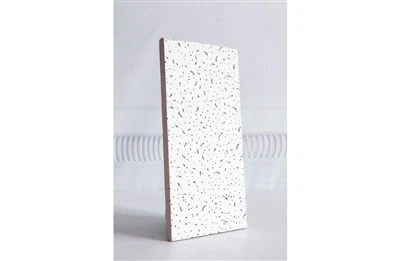
Mineral fiber boards are widely used in construction and interior decoration due to their excellent acoustic, thermal, and fire-resistant properties. As a leading mineral fiber board supplier, I am often asked about the recycling process of these boards. In this blog post, I will delve into the detailed recycling process of mineral fiber boards, highlighting its environmental benefits and the role it plays in sustainable construction.
Understanding Mineral Fiber Boards
Before we explore the recycling process, let's first understand what mineral fiber boards are. Mineral fiber boards are typically made from inorganic mineral fibers, such as rock wool or slag wool, which are combined with binders and other additives. These boards come in various types, including Mineral Fiber Ceiling Boards & Tiles, Square Sand Mineral Fiber Board, and Square Colors Mineral Fiber Board, each designed for specific applications in the construction industry.
The Importance of Recycling Mineral Fiber Boards
Recycling mineral fiber boards is crucial for several reasons. Firstly, it helps to reduce the amount of waste sent to landfills, thereby conserving valuable landfill space. Secondly, the recycling process can recover valuable raw materials, which can be reused in the production of new mineral fiber boards or other products. This not only reduces the demand for virgin materials but also saves energy and resources associated with their extraction and processing. Finally, recycling mineral fiber boards contributes to a more sustainable construction industry by minimizing the environmental impact of building materials.
The Recycling Process of Mineral Fiber Boards
The recycling process of mineral fiber boards typically involves several steps, from collection and sorting to reprocessing and reuse. Let's take a closer look at each step:
1. Collection
The first step in the recycling process is the collection of used or discarded mineral fiber boards. This can be done through various channels, such as construction waste management companies, demolition contractors, or directly from building owners. It is important to ensure that the collected boards are properly segregated from other types of waste to facilitate the subsequent recycling steps.
2. Sorting
Once the mineral fiber boards are collected, they need to be sorted based on their type, quality, and composition. This is necessary because different types of mineral fiber boards may require different recycling methods. For example, boards with different binder systems or additives may need to be processed separately to ensure the quality of the recycled materials. Sorting can be done manually or using automated sorting equipment, depending on the volume and complexity of the waste stream.
3. Cleaning and Pre - treatment
After sorting, the mineral fiber boards are cleaned to remove any contaminants, such as dirt, debris, or paint. This can be achieved through mechanical cleaning methods, such as brushing, shaking, or air blasting. In some cases, chemical cleaning agents may also be used to remove stubborn contaminants. Once the boards are cleaned, they may undergo pre - treatment processes, such as shredding or grinding, to reduce their size and increase their surface area for better processing.
4. Reprocessing
The cleaned and pre - treated mineral fiber boards are then reprocessed to recover the valuable raw materials. This typically involves a thermal or chemical process to break down the binders and separate the mineral fibers from other components. For example, in a thermal process, the boards are heated to a high temperature to burn off the binders, leaving behind the mineral fibers. In a chemical process, the boards are treated with chemicals to dissolve the binders and release the fibers.
5. Quality Control
After reprocessing, the recycled mineral fibers are subjected to quality control tests to ensure their suitability for reuse. These tests may include checks for fiber length, diameter, strength, and chemical composition. Only fibers that meet the required quality standards are used in the production of new mineral fiber boards or other products.
6. Reuse
The recycled mineral fibers can be used in a variety of applications. One of the most common uses is in the production of new mineral fiber boards. The recycled fibers are mixed with new binders and additives to produce boards with similar properties to those made from virgin materials. In addition to board production, recycled mineral fibers can also be used in other industries, such as insulation, filtration, and automotive manufacturing.
Challenges in Recycling Mineral Fiber Boards
While the recycling process of mineral fiber boards offers many benefits, it also faces several challenges. One of the main challenges is the complexity of the board composition. Mineral fiber boards often contain a variety of binders, additives, and contaminants, which can make the recycling process more difficult and costly. Another challenge is the lack of standardized recycling methods and regulations. Different regions may have different requirements and guidelines for recycling mineral fiber boards, which can create confusion and barriers for recyclers.
Overcoming the Challenges
To overcome these challenges, several measures can be taken. Firstly, research and development efforts should be focused on improving the recycling technology to make it more efficient and cost - effective. This may involve the development of new separation methods, more environmentally friendly binders, or innovative ways to reuse the recycled materials. Secondly, industry standards and regulations should be established to ensure the quality and consistency of the recycled mineral fiber boards. This will help to build confidence in the market for recycled products and encourage more widespread adoption of recycling practices.
Conclusion
In conclusion, the recycling process of mineral fiber boards is an important part of a sustainable construction industry. By collecting, sorting, reprocessing, and reusing these boards, we can reduce waste, conserve resources, and minimize the environmental impact of building materials. As a mineral fiber board supplier, I am committed to promoting the recycling of our products and working with our customers and partners to develop more sustainable solutions.
If you are interested in learning more about our mineral fiber boards or discussing potential procurement opportunities, please feel free to reach out. We are always ready to engage in productive discussions and provide you with the best products and services.


References
- "Sustainable Building Materials: Recycling and Reuse" by Green Building Council
- "Mineral Fiber Insulation: Production, Properties, and Applications" by Journal of Building Materials Research