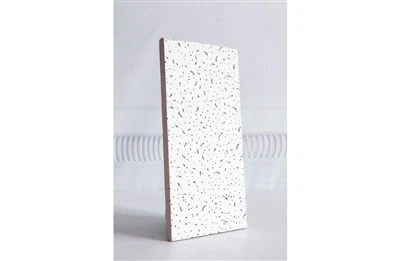
Hey there! As a supplier of white PVC gypsum board, I often get asked about its resistance to chemicals. So, I thought I'd share some insights on this topic.
First off, let's talk a bit about what white PVC gypsum board is. It's a composite material that combines the benefits of gypsum and PVC. Gypsum is well - known for its fire - resistance, sound - insulation, and easy installation properties. Meanwhile, PVC (polyvinyl chloride) adds a layer of durability and a smooth, cleanable surface. You can learn more about it on our PVC GYPSUM BOARD page.
Now, when it comes to chemical resistance, white PVC gypsum board has a mixed bag of performance.
Resistance to Mild Chemicals
In general, white PVC gypsum board shows good resistance to mild chemicals. For example, it can withstand exposure to common household cleaning agents. Stuff like mild soaps and detergents won't cause any significant damage to the board. This makes it a great choice for areas like kitchens and bathrooms, where regular cleaning is necessary.
If you spill a bit of dish soap or a diluted all - purpose cleaner on the board, you can simply wipe it off without worrying about any long - term effects. The PVC layer on the surface acts as a protective barrier, preventing the chemicals from seeping into the gypsum core.
Our White 7.5mm PVC Gypsum Board is especially popular in these types of applications. Its thickness provides a good balance between strength and flexibility, and it can handle regular cleaning with mild chemicals just fine.


Limited Resistance to Strong Acids and Bases
However, when it comes to strong acids and bases, white PVC gypsum board has its limitations. Strong acids, such as hydrochloric acid or sulfuric acid, can react with the gypsum in the board. Gypsum is a calcium sulfate compound, and strong acids can break down the sulfate bonds, leading to corrosion of the gypsum core.
Similarly, strong bases like sodium hydroxide can also have a negative impact. They can cause the gypsum to dissolve over time, weakening the structure of the board. The PVC layer can slow down the process to some extent, but it's not completely impervious. So, in environments where there's a risk of exposure to strong acids or bases, like chemical laboratories or industrial settings, white PVC gypsum board might not be the best option.
Resistance to Organic Solvents
White PVC gypsum board has varying degrees of resistance to organic solvents. Some common organic solvents like ethanol (alcohol) usually don't cause major problems. A small spill of ethanol can be cleaned up without much concern.
But solvents like acetone, which is a powerful solvent used in nail polish removers and some industrial applications, can have a negative effect. Acetone can soften the PVC layer on the board. If exposed to acetone for an extended period, the PVC may start to dissolve or become sticky, compromising the integrity of the board's surface.
Impact of Chemical Resistance on Applications
The chemical resistance of white PVC gypsum board determines its suitability for different applications. In residential settings, as I mentioned earlier, it's great for kitchens, bathrooms, and living rooms. The mild chemicals used in daily cleaning won't harm the board, and it can maintain its appearance and functionality for a long time.
In commercial settings, it can be used in offices, shops, and restaurants. These places typically have a low risk of exposure to strong chemicals, so the board can serve as an aesthetically pleasing and practical building material.
On the other hand, industries that deal with chemicals need to be more cautious. While white PVC gypsum board can't be used in areas with high - level chemical exposure, it can still be used in non - chemical areas of chemical plants, such as offices or break rooms.
Testing the Chemical Resistance
To ensure the quality of our white PVC gypsum board, we conduct various chemical resistance tests. We expose samples of the board to different chemicals for a set period and then evaluate the changes in appearance, strength, and other properties. This helps us understand how the board will perform in real - world situations and allows us to provide accurate information to our customers.
Maintenance to Preserve Chemical Resistance
To keep the chemical resistance of white PVC gypsum board intact, proper maintenance is crucial. As soon as a chemical spill occurs, it should be cleaned up immediately. Use a soft cloth and a mild cleaning agent to wipe the area. Avoid using abrasive materials, as they can scratch the PVC layer, making the board more vulnerable to chemical attacks.
Regular inspections can also help detect any early signs of chemical damage. If you notice any discoloration, swelling, or softening of the board, it might be a sign that it has been exposed to a harmful chemical.
Why Choose Our White PVC Gypsum Board
We take pride in offering high - quality white PVC gypsum board. Our manufacturing process ensures a consistent and reliable product with good chemical resistance within its limits. We source the best raw materials and use advanced production techniques to create boards that meet the highest standards.
Whether you're a contractor working on a new construction project or a homeowner looking to renovate your living space, our white PVC gypsum board can be a great choice. You can also check out our PVC LAMINATED GYPSUM TILE for more options.
If you're interested in purchasing our white PVC gypsum board or have any questions about its chemical resistance or other properties, don't hesitate to get in touch. We're here to help you make the right choice for your project.
References
- ASTM International. (Year). Standard test methods for evaluating the chemical resistance of building materials.
- Textbook on Building Materials and Construction Technology.
So, that's all about the chemical resistance of white PVC gypsum board. I hope this blog has been helpful to you. If you want to know more, just reach out!