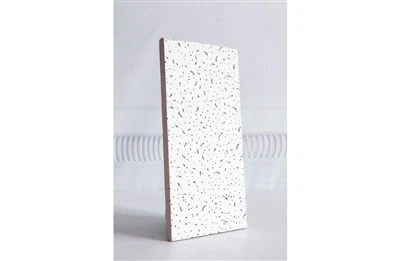
As a supplier of Square Sand Mineral Fiber Board, I am often asked about the water absorption rate of our product. This is a crucial factor, especially for applications where the board might be exposed to moisture. In this blog, I'll delve into what the water absorption rate of Square Sand Mineral Fiber Board is, why it matters, and how it compares to other similar products in the market.
Understanding Water Absorption Rate
The water absorption rate of a material is defined as the amount of water a material can absorb under specific conditions, usually expressed as a percentage of the material's dry weight. For Square Sand Mineral Fiber Board, this rate is determined by immersing a sample of the board in water for a set period and then measuring the increase in weight.
The test is typically conducted in a laboratory environment following standardized procedures. A dry sample of the board is first weighed. Then, it is fully submerged in water at a constant temperature for 24 hours. After the immersion period, the board is removed, the surface water is wiped off, and it is weighed again. The difference in weight before and after immersion is calculated, and this value is divided by the dry weight of the sample to obtain the water absorption rate percentage.
Water Absorption Rate of Square Sand Mineral Fiber Board
Our Square Sand Mineral Fiber Board has a relatively low water absorption rate, typically ranging from 10% to 15%. This is due to the unique composition and manufacturing process of the board. The square sand and mineral fibers are combined in a way that creates a dense and compact structure. The fibers are intertwined, forming a network that resists the penetration of water. Additionally, special additives are used during the manufacturing process to enhance the board's water - resistant properties.
A low water absorption rate is highly beneficial. It means that the board is less likely to swell, warp, or lose its structural integrity when exposed to moisture. This makes it suitable for a wide range of applications, including areas with high humidity such as bathrooms, kitchens, and basements.
Comparison with Other Mineral Fiber Boards
Let's compare the water absorption rate of our Square Sand Mineral Fiber Board with other types of mineral fiber boards in the market. For example, the Tegular Fine Fissure Mineral Fiber Board may have a slightly higher water absorption rate, typically in the range of 15% to 20%. This is because its tegular design and fine fissures may provide more surface area for water to penetrate.
On the other hand, the Dampproof Acoustic Mineral Fiber Ceiling Board is specifically designed for moisture - prone areas and has a water absorption rate similar to our Square Sand Mineral Fiber Board, around 10% to 15%. However, our Square Sand Mineral Fiber Board offers a unique combination of low water absorption and excellent mechanical properties.
The Square Fine Fissure Mineral Fiber Board also has comparable water absorption characteristics. But our Square Sand Mineral Fiber Board stands out due to the presence of square sand, which adds to its durability and resistance to wear and tear.
Factors Affecting Water Absorption Rate
Several factors can influence the water absorption rate of Square Sand Mineral Fiber Board. The density of the board is one of the most important factors. A higher - density board generally has a lower water absorption rate because there are fewer pores and voids for water to enter. The manufacturing process also plays a significant role. If the board is not properly cured or if the additives are not evenly distributed, the water absorption rate may increase.
The environmental conditions during use can also affect the water absorption rate. For example, if the board is exposed to high - pressure water or continuous water spray, the water absorption may be higher than under normal humidity conditions.
Importance of Low Water Absorption in Applications
In construction and interior design, the low water absorption rate of Square Sand Mineral Fiber Board offers numerous advantages. In ceiling applications, a board with low water absorption is less likely to sag or develop stains due to moisture. This ensures a long - lasting and aesthetically pleasing ceiling.
In wall cladding, especially in areas prone to splashes or high humidity, a low - water - absorbing board will maintain its appearance and structural integrity. It can prevent the growth of mold and mildew, which is not only unsightly but also a health hazard.
Testing and Quality Control
As a supplier, we conduct rigorous testing on every batch of Square Sand Mineral Fiber Board to ensure that the water absorption rate meets our quality standards. Our in - house laboratory is equipped with state - of - the - art testing equipment, and our technicians follow strict testing protocols.
We also perform long - term exposure tests, where samples of the board are exposed to different humidity levels and water conditions for extended periods. This helps us to accurately predict the performance of the board in real - world applications.
Conclusion
The water absorption rate of Square Sand Mineral Fiber Board is a key characteristic that sets it apart from other building materials. With a typical water absorption rate ranging from 10% to 15%, it offers excellent resistance to moisture, making it suitable for a variety of applications.

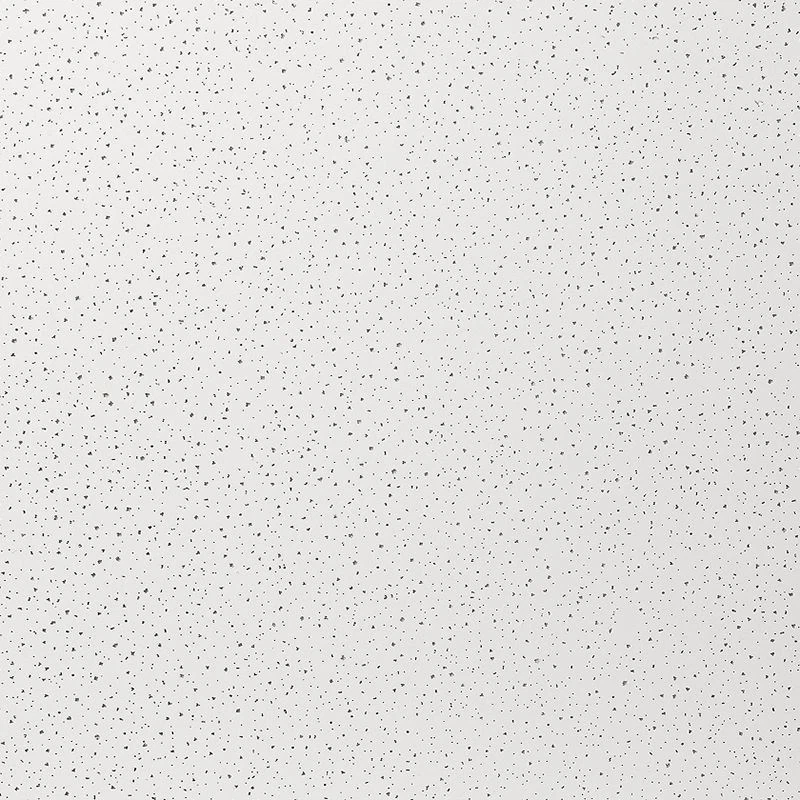
If you are looking for a reliable and high - quality building material with low water absorption, our Square Sand Mineral Fiber Board is an ideal choice. Whether you are a contractor, an architect, or a DIY enthusiast, we can provide you with the best products and services. Contact us to discuss your specific requirements and start a procurement negotiation. We are committed to meeting your needs and delivering products that exceed your expectations.
References
- ASTM International. Standard Test Methods for Water Absorption of Paper and Paperboard. ASTM D570 - 98(2018).
- ISO 287:2017. Paper and board - Determination of moisture content - Oven - dry method.