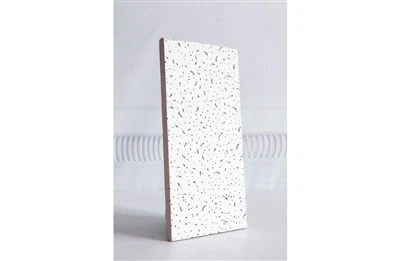
Dune mineral fiber ceiling tiles have gained significant popularity in modern architectural and interior design projects due to their numerous advantages, such as acoustic performance, fire resistance, and aesthetic appeal. One crucial aspect that often concerns architects, contractors, and end - users is the weight of these ceiling tiles. In this blog, as a supplier of dune mineral fiber ceiling tiles, I will delve into the factors influencing the weight of these tiles, their typical weight ranges, and the importance of understanding this parameter.
Factors Affecting the Weight of Dune Mineral Fiber Ceiling Tiles
Raw Materials
The primary raw materials used in the production of dune mineral fiber ceiling tiles play a significant role in determining their weight. These tiles are typically made from a combination of mineral fibers, such as rock wool or slag wool, and other additives like starch, clay, and binders. The density of the mineral fibers themselves can vary depending on their source and manufacturing process. For instance, high - quality rock wool fibers with a uniform structure may result in a lighter tile compared to lower - grade fibers that are more densely packed.
The additives also contribute to the weight. Starch and clay are used to improve the formability and strength of the tiles. A higher proportion of these additives will generally increase the weight of the final product. Binders, which hold the fibers together, can also vary in density, and their quantity in the tile formulation can influence the overall weight.
Manufacturing Process
The manufacturing process of dune mineral fiber ceiling tiles involves several steps, including fiber dispersion, forming, pressing, and drying. The pressure applied during the forming and pressing stages can have a direct impact on the tile's density and weight. Higher pressure compresses the fibers more tightly, resulting in a denser and heavier tile.
The drying process is also crucial. If the tiles are not dried properly, they may retain moisture, which will add to their weight. On the other hand, over - drying can cause the tiles to become brittle and may also affect their weight due to changes in the structure of the fibers and additives.
Tile Thickness and Size
Thicker tiles naturally weigh more than thinner ones. The thickness of dune mineral fiber ceiling tiles typically ranges from 9mm to 15mm, and as the thickness increases, so does the amount of raw materials used, leading to a higher weight.
Similarly, larger tiles will weigh more than smaller ones. Common tile sizes include 600x600mm, 600x1200mm, etc. A 600x1200mm tile will have approximately twice the surface area of a 600x600mm tile, and assuming the same thickness and density, it will weigh approximately twice as much.
Typical Weight Ranges of Dune Mineral Fiber Ceiling Tiles
The weight of dune mineral fiber ceiling tiles can vary widely depending on the factors mentioned above. Generally, for a standard 600x600mm tile with a thickness of 9mm, the weight can range from 1.8 kg to 2.2 kg. For a 12mm thick tile of the same size, the weight may be between 2.4 kg and 2.8 kg.
When it comes to larger tiles, such as 600x1200mm, a 9mm thick tile may weigh around 3.6 kg to 4.4 kg, while a 12mm thick tile could weigh between 4.8 kg and 5.6 kg.
It's important to note that these are just approximate weight ranges, and the actual weight of the tiles may vary depending on the specific product line and manufacturing standards of different suppliers.
Importance of Understanding the Weight of Dune Mineral Fiber Ceiling Tiles
Structural Considerations
Buildings have specific load - bearing capacities for their ceilings. Knowing the weight of the dune mineral fiber ceiling tiles is essential to ensure that the ceiling structure can support the additional load. If the tiles are too heavy for the existing ceiling structure, it may lead to sagging, deformation, or even structural failure over time. Architects and contractors need to factor in the weight of the tiles when designing and installing the ceiling system to ensure the safety and stability of the building.
Installation Ease
The weight of the tiles also affects the ease of installation. Heavier tiles can be more difficult to handle and maneuver, especially during the installation process. This may require additional labor and equipment, increasing the overall installation cost. Lighter tiles, on the other hand, are easier to install, reducing the time and effort required for the installation team.
Transportation and Storage
The weight of the tiles impacts transportation and storage. Heavier tiles require more fuel for transportation, increasing the carbon footprint and transportation costs. In terms of storage, heavier tiles may require stronger storage racks and more space to prevent damage. Understanding the weight of the tiles helps in planning efficient transportation routes and storage facilities.
Comparing with Other Ceiling Materials
When compared to other ceiling materials, such as gypsum board or metal ceiling tiles, dune mineral fiber ceiling tiles have a relatively moderate weight. Gypsum board tiles can be quite heavy, especially when they are thick or have additional layers for fire resistance or soundproofing. Metal ceiling tiles, on the other hand, can vary in weight depending on the type of metal used, but they are generally lighter than gypsum board and can be comparable in weight to dune mineral fiber ceiling tiles in some cases.
The Mineral Fiber Board and Mineral Fiber Ceiling options we offer have been carefully engineered to provide an optimal balance between weight, performance, and cost. Our Tegular Pinhole Mineral Fiber Board is a popular choice that combines good acoustic properties with a reasonable weight for easy installation.


Conclusion
In conclusion, the weight of dune mineral fiber ceiling tiles is influenced by various factors, including raw materials, manufacturing process, thickness, and size. Understanding the weight of these tiles is crucial for structural, installation, transportation, and storage considerations. As a supplier of dune mineral fiber ceiling tiles, we are committed to providing high - quality products with consistent weight and performance.
If you are considering using dune mineral fiber ceiling tiles for your next project, we encourage you to get in touch with us. Our team of experts can provide you with detailed information about the weight and other properties of our products, as well as assist you in selecting the most suitable tiles for your specific needs. We look forward to discussing your project and helping you achieve the best results.
References
- Building Materials Handbook, 5th Edition
- Architectural Acoustics by Cyril M. Harris
- Mineral Fiber Ceiling Tile Manufacturing Standards and Guidelines