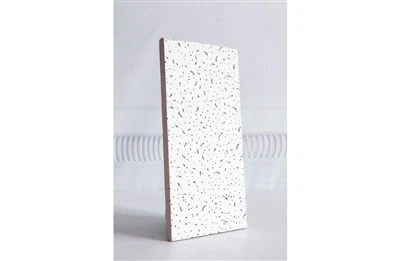
Fine fissure mineral fiber boards are a popular choice in the construction and interior design industries due to their excellent acoustic performance, fire resistance, and aesthetic appeal. As a supplier of fine fissure mineral fiber boards, I am often asked about the raw materials used in their production. In this blog post, I will delve into the key raw materials that go into making these high - quality boards.
Mineral Fibers
The primary raw material for fine fissure mineral fiber boards is, as the name suggests, mineral fibers. These fibers are typically derived from natural minerals such as basalt, diabase, or slag. Basalt, a common volcanic rock, is rich in minerals like iron, magnesium, and calcium. When basalt is melted at extremely high temperatures (around 1400 - 1500°C) and then rapidly cooled through a process called fiberization, it forms fine, strong mineral fibers.
Diabase, another igneous rock, also serves as a good source of mineral fibers. It has a similar chemical composition to basalt and can be processed in a similar way. Slag, a by - product of the metal - smelting industry, is also recycled to produce mineral fibers. Using slag not only reduces waste but also makes the production of mineral fiber boards more sustainable.
The quality of the mineral fibers is crucial for the performance of the final board. High - quality mineral fibers have a uniform diameter, good flexibility, and high strength. They provide the board with its structural integrity, fire - resistant properties, and acoustic insulation capabilities. You can learn more about products made from these fibers on our Mineral Fiber Ceiling Tiles/Board page.
Binders
Binders are used to hold the mineral fibers together and form a solid board. There are several types of binders used in the production of fine fissure mineral fiber boards.
Starch - based Binders
Starch is a natural and renewable binder. It is often derived from corn, wheat, or potatoes. Starch - based binders are environmentally friendly and can be easily broken down. They provide good adhesion between the mineral fibers and are relatively inexpensive. However, they may have some limitations in terms of water resistance.

Synthetic Resin Binders
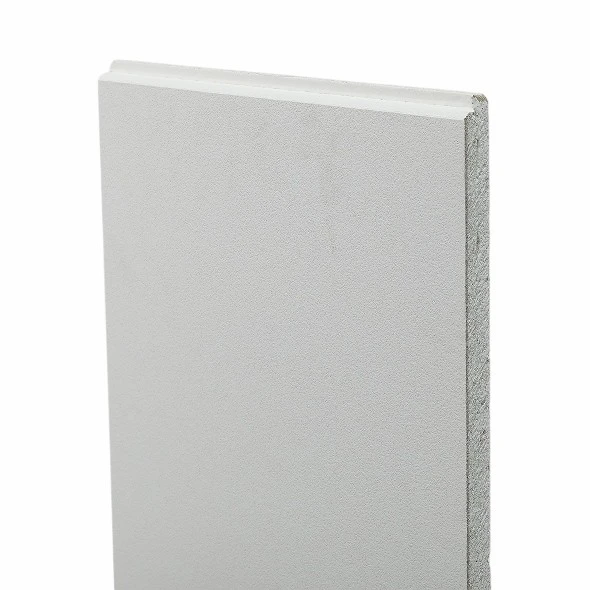
Synthetic resin binders, such as phenolic resin and melamine resin, are also commonly used. Phenolic resin is known for its excellent heat resistance and mechanical strength. It can withstand high temperatures without losing its binding properties, which is important for the fire - resistant performance of the board. Melamine resin, on the other hand, offers good water resistance and a smooth surface finish.
The choice of binder depends on the specific requirements of the board. For boards that need to be used in high - humidity environments, synthetic resin binders may be preferred. For more eco - friendly products, starch - based binders can be a better option. Our Mineral Fiber Ceiling Tiles are made with carefully selected binders to ensure optimal performance.
Fillers
Fillers are added to the board mixture to improve its properties and reduce production costs. Some common fillers used in fine fissure mineral fiber boards include:
Perlite
Perlite is a volcanic glass that expands when heated. It is lightweight, has good insulation properties, and is fire - resistant. When added to the board mixture, perlite reduces the weight of the board and improves its thermal and acoustic insulation. It also helps to create a more porous structure, which can enhance the board's sound - absorbing capabilities.
Vermiculite
Vermiculite is a mineral that expands into a worm - like shape when heated. It has excellent fire - resistant and insulation properties. Vermiculite can also absorb and retain water, which can be beneficial in maintaining the humidity balance in a room. It is often used in combination with other fillers to optimize the performance of the board.
Calcium Carbonate
Calcium carbonate is a widely available and inexpensive filler. It is used to increase the density of the board and improve its hardness. Calcium carbonate also helps to improve the workability of the board mixture during the manufacturing process.
Additives
Additives are used to enhance specific properties of the fine fissure mineral fiber board.
Fire Retardants
Fire retardants are added to improve the fire - resistant performance of the board. Common fire retardants include aluminum hydroxide, magnesium hydroxide, and various halogen - free flame retardants. These chemicals can prevent the board from catching fire easily and slow down the spread of flames in case of a fire.
Water Repellents
Water repellents are used to make the board more resistant to moisture. Silicone - based water repellents are often used. They form a protective layer on the surface of the board, preventing water from penetrating and causing damage. This is especially important for boards used in bathrooms, kitchens, or other high - humidity areas.
Colorants
Colorants are added to give the board its desired color. They can be inorganic pigments or organic dyes. Inorganic pigments are more stable and fade - resistant, while organic dyes can provide a wider range of colors. The choice of colorant depends on the aesthetic requirements of the project. You can find a variety of colors in our Tegular Fine Fissure Mineral Fiber Board products.
Manufacturing Process
The manufacturing process of fine fissure mineral fiber boards involves several steps. First, the raw materials are mixed together in the appropriate proportions. The mineral fibers, binders, fillers, and additives are combined in a mixer to form a homogeneous mixture.
Then, the mixture is formed into a board shape using a wet - forming or dry - forming process. In the wet - forming process, the mixture is mixed with water to form a slurry, which is then poured onto a moving screen. The water is drained off, and the board is pressed and dried. In the dry - forming process, the mixture is compressed directly without the use of water.
After the board is formed, it undergoes a curing process to ensure that the binders set properly and the board reaches its full strength. The board is then cut to the desired size and shape, and the fine fissure pattern is created on the surface.
Conclusion
Fine fissure mineral fiber boards are made from a combination of mineral fibers, binders, fillers, and additives. Each raw material plays a crucial role in determining the performance and properties of the final board. As a supplier, we carefully select and source these raw materials to ensure that our products meet the highest quality standards.
If you are interested in purchasing fine fissure mineral fiber boards for your construction or interior design project, we invite you to contact us for more information and to discuss your specific requirements. Our team of experts is ready to assist you in finding the best solutions for your needs.
References
- "Mineral Wool Insulation: Properties and Applications" by John Smith, published by Building Materials Press.
- "Fire - Resistant Building Materials" by Jane Doe, published by Fire Safety Institute.
- "Sustainable Construction Materials" by Tom Brown, published by Green Building Press.