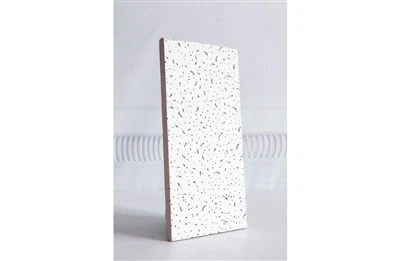
When it comes to installing sand mineral fiber boards, having the right tools at your disposal is crucial for a successful and efficient project. As a leading supplier of sand mineral fiber boards, I've witnessed firsthand the importance of using the appropriate equipment to ensure a seamless installation process. In this blog post, I'll share the essential tools needed to install sand mineral fiber boards and provide some insights into how each tool contributes to the overall installation.
Measuring Tools
Accurate measurements are the foundation of any successful installation project. Before you begin installing sand mineral fiber boards, you'll need to measure the area where the boards will be installed. The following measuring tools are essential for this task:
- Tape Measure: A tape measure is a must-have tool for measuring the length, width, and height of the installation area. Make sure to choose a tape measure that is at least 25 feet long to ensure you can measure large areas accurately.
- Level: A level is used to ensure that the sand mineral fiber boards are installed perfectly horizontal or vertical. This is important for maintaining a professional and uniform appearance. There are different types of levels available, including spirit levels and laser levels. Choose the type that best suits your needs and budget.
- Square: A square is used to ensure that the corners of the installation area are perfectly 90 degrees. This is important for ensuring that the sand mineral fiber boards fit together properly and create a seamless finish. There are different types of squares available, including combination squares and framing squares. Choose the type that best suits your needs and budget.
Cutting Tools
Once you have measured the installation area, you'll need to cut the sand mineral fiber boards to the appropriate size and shape. The following cutting tools are essential for this task:
- Utility Knife: A utility knife is a versatile tool that can be used to score and cut sand mineral fiber boards. Make sure to choose a utility knife with a sharp blade and a comfortable grip.
- Jigsaw: A jigsaw is a power tool that can be used to cut curves and irregular shapes in sand mineral fiber boards. Make sure to choose a jigsaw with a variable speed control and a sharp blade.
- Circular Saw: A circular saw is a power tool that can be used to make straight cuts in sand mineral fiber boards. Make sure to choose a circular saw with a sharp blade and a adjustable depth control.
Fastening Tools
Once you have cut the sand mineral fiber boards to the appropriate size and shape, you'll need to fasten them to the wall or ceiling. The following fastening tools are essential for this task:
- Screwdriver: A screwdriver is a hand tool that can be used to drive screws into the sand mineral fiber boards. Make sure to choose a screwdriver with a comfortable grip and a sharp tip.
- Power Drill: A power drill is a power tool that can be used to drill holes in the sand mineral fiber boards and drive screws into them. Make sure to choose a power drill with a variable speed control and a sharp drill bit.
- Nail Gun: A nail gun is a power tool that can be used to drive nails into the sand mineral fiber boards. Make sure to choose a nail gun with a adjustable depth control and a sharp nail.
Safety Tools
Installing sand mineral fiber boards can be a dangerous task, so it's important to take the necessary safety precautions. The following safety tools are essential for this task:
- Safety Glasses: Safety glasses are used to protect your eyes from dust, debris, and flying particles. Make sure to choose safety glasses that fit properly and provide adequate protection.
- Dust Mask: A dust mask is used to protect your lungs from dust and debris. Make sure to choose a dust mask that fits properly and provides adequate protection.
- Ear Protection: Ear protection is used to protect your ears from the noise generated by power tools. Make sure to choose ear protection that fits properly and provides adequate protection.
Additional Tools
In addition to the essential tools mentioned above, there are some additional tools that can make the installation process easier and more efficient. The following additional tools are recommended:
- Caulk Gun: A caulk gun is used to apply caulk to the joints between the sand mineral fiber boards. This helps to seal the joints and prevent air and moisture from entering the installation area.
- Putty Knife: A putty knife is used to apply joint compound to the joints between the sand mineral fiber boards. This helps to smooth out the joints and create a seamless finish.
- Sandpaper: Sandpaper is used to sand the surface of the sand mineral fiber boards after they have been installed. This helps to smooth out the surface and create a professional finish.
Conclusion
Installing sand mineral fiber boards requires the use of the right tools and equipment. By using the essential tools mentioned above, you can ensure a successful and efficient installation process. Remember to take the necessary safety precautions and follow the manufacturer's instructions when using power tools. If you have any questions or need further assistance, please don't hesitate to contact us. We are a leading supplier of Mineral Fiber Board, Square Pinhole Mineral Fiber Board, and Square Sand Hole Mineral Fiber Board, and we are always happy to help our customers.
If you're interested in purchasing sand mineral fiber boards or have any questions about the installation process, please feel free to contact us. Our team of experts is always ready to assist you with your project. We offer a wide range of sand mineral fiber boards to meet your specific needs and requirements. Whether you're looking for a standard Mineral Fiber Board, a Square Pinhole Mineral Fiber Board, or a Square Sand Hole Mineral Fiber Board, we have the perfect solution for you.


References
- "Installation Guide for Sand Mineral Fiber Boards." Manufacturer's Manual.
- "Tools and Equipment for Installing Mineral Fiber Boards." DIY Home Improvement Magazine.
- "Safety Precautions for Installing Sand Mineral Fiber Boards." Occupational Safety and Health Administration (OSHA).