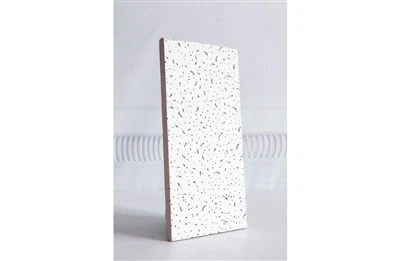
Can Dune Mineral Fiber Ceiling Tiles Be Used in Kitchens?
As a supplier of dune mineral fiber ceiling tiles, I often get asked whether these tiles are suitable for use in kitchens. This is a valid question, considering the unique environment of a kitchen. In this blog post, I'll explore the characteristics of dune mineral fiber ceiling tiles and evaluate their viability for kitchen use.
Understanding Dune Mineral Fiber Ceiling Tiles
Dune mineral fiber ceiling tiles are made from a combination of mineral fibers, binders, and other additives. These tiles are known for their excellent acoustic properties, which can help reduce noise levels in a room. They also offer good insulation, which can contribute to energy efficiency. Additionally, dune mineral fiber ceiling tiles come in a variety of designs and finishes, allowing for customization to fit different interior styles.


Some of our popular products include the Square Sand Hole Mineral Fiber Board and the Square Colors Mineral Fiber Board. These boards not only have unique aesthetic features but also maintain the core benefits of dune mineral fiber materials.
The Kitchen Environment
Kitchens are a high - activity area with a distinct set of environmental conditions. They are subject to high humidity due to steam from cooking, regular splashes of water from washing dishes or cooking, and the presence of grease and food particles in the air. Additionally, kitchens often have fluctuating temperatures, especially when the oven or stovetop is in use.
Advantages of Using Dune Mineral Fiber Ceiling Tiles in Kitchens
- Acoustic Benefits
- The acoustic properties of dune mineral fiber ceiling tiles can be a significant advantage in the kitchen. The constant noise of running water, the hum of appliances, and the clattering of dishes can create a noisy environment. These tiles can absorb sound waves, reducing the overall noise level and making the kitchen a more pleasant place to be.
- Aesthetic Appeal
- With their wide range of designs and finishes, dune mineral fiber ceiling tiles can enhance the visual appeal of a kitchen. Whether you prefer a modern, minimalist look or a more traditional style, there is a tile option to suit your taste. For example, the Square Colors Mineral Fiber Board can add a pop of color or a unique pattern to the kitchen ceiling.
- Insulation
- The insulation properties of dune mineral fiber ceiling tiles can help maintain a more stable temperature in the kitchen. This can be beneficial in terms of energy efficiency, as it reduces the amount of heat transfer between the kitchen and the upper floors or attic.
Challenges of Using Dune Mineral Fiber Ceiling Tiles in Kitchens
- Moisture Resistance
- One of the main concerns with using dune mineral fiber ceiling tiles in kitchens is their moisture resistance. Mineral fiber tiles are generally porous, which means they can absorb moisture. In a kitchen environment with high humidity and potential water splashes, this can lead to issues such as warping, mold growth, and discoloration.
- Grease and Stain Resistance
- Grease and food particles in the kitchen air can stick to the ceiling tiles. Dune mineral fiber tiles may not have inherent grease - resistant properties, and over time, they can become dirty and difficult to clean. If not properly maintained, the tiles can look unappealing and may even affect the indoor air quality.
Solutions to Overcome the Challenges
- Coatings and Treatments
- To improve the moisture and grease resistance of dune mineral fiber ceiling tiles, special coatings can be applied. Some coatings create a protective barrier on the surface of the tiles, preventing moisture and grease from penetrating. For example, an Embossed PVC Film For Gypsum Tile can be used to add an extra layer of protection. This film is not only moisture - resistant but can also give the tiles a more durable and easy - to - clean surface.
- Proper Installation and Ventilation
- Ensuring proper installation of the ceiling tiles is crucial. Tiles should be installed in a way that allows for proper air circulation and ventilation. A well - ventilated kitchen can significantly reduce humidity levels, minimizing the risk of moisture - related problems. Additionally, installing an exhaust fan that vents to the outside can help remove grease and steam from the kitchen.
- Regular Maintenance
- Regular cleaning and maintenance are essential when using dune mineral fiber ceiling tiles in the kitchen. This can involve wiping down the tiles with a mild detergent and water solution on a regular basis to remove grease and stains. Inspecting the tiles for any signs of damage or mold growth and addressing them promptly can also extend the lifespan of the tiles.
Conclusion
In conclusion, dune mineral fiber ceiling tiles can be used in kitchens, but it requires careful consideration and proper management. The acoustic, aesthetic, and insulation benefits make them an attractive option, but the challenges related to moisture and grease resistance need to be addressed. By applying appropriate coatings, ensuring proper installation and ventilation, and maintaining the tiles regularly, dune mineral fiber ceiling tiles can be a viable choice for kitchen ceilings.
If you are interested in exploring our range of dune mineral fiber ceiling tiles for your kitchen or other projects, I encourage you to contact us for a detailed discussion. We can provide you with more information on product specifications, pricing, and installation guidance.
References
- Building Materials Handbook: A comprehensive guide to various building materials, including mineral fiber products.
- Kitchen Design and Environment Research: Studies on the unique environmental conditions in kitchens and the suitability of different ceiling materials.