As a supplier of pinhole mineral fiber boards, I've often been asked whether these boards are suitable for use in schools. In this blog, I'll delve into the various aspects to help answer this question comprehensively.
1. Understanding Pinhole Mineral Fiber Boards
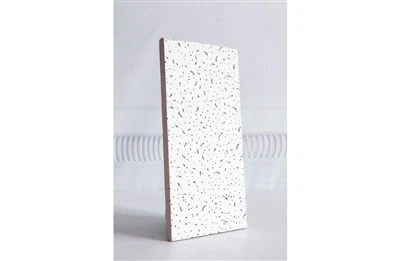
Pinhole mineral fiber boards are a type of ceiling material made from mineral fibers. These fibers are usually sourced from natural minerals and are processed to form a board with a unique pinhole - like surface structure. The pinholes play a crucial role in the board's performance.
The Mineral Fiber Ceiling offers a combination of aesthetic appeal and practical functionality. The manufacturing process involves high - temperature treatment, which ensures the boards are durable and resistant to various environmental factors.
2. Acoustic Performance in School Environments
One of the most important requirements in a school is good acoustic control. Classrooms are filled with the sounds of teachers lecturing, students discussing, and various other noise sources. Excessive noise can lead to distractions, reduced concentration, and ultimately, a negative impact on the learning experience.
Pinhole mineral fiber boards are excellent at absorbing sound. The pinholes on the surface act as sound traps. When sound waves hit the board, they enter the pinholes and are dissipated as heat energy. This helps to reduce reverberation time in the room, making it easier for students to hear the teacher clearly. For example, in a large auditorium or a busy cafeteria, the Dampproof Acoustic Mineral Fiber Ceiling Board can significantly improve the acoustic quality.
Numerous studies have shown that improved acoustic conditions in schools can lead to better academic performance. Students are more likely to understand and retain information when they can clearly hear the instruction. So, from an acoustic perspective, pinhole mineral fiber boards are a great choice for schools.
3. Fire Resistance
Safety is of utmost importance in schools. Fire safety regulations are strict, and any building material used must meet certain fire - resistance standards. Pinhole mineral fiber boards are highly fire - resistant. The mineral fibers used in their production are non - combustible.
In the event of a fire, these boards can act as a barrier, preventing the spread of flames and smoke. They can buy precious time for evacuation and reduce the risk of property damage and injury. This makes them a reliable option for school buildings, where the safety of students and staff is a top priority.
4. Hygiene and Health Considerations
Schools are places where a large number of people gather, and maintaining good hygiene is essential. Pinhole mineral fiber boards are resistant to mold and mildew growth. The materials used in their production are not conducive to the growth of these microorganisms, which can cause health problems such as allergies and respiratory issues.
Moreover, these boards do not emit harmful chemicals or volatile organic compounds (VOCs). This is crucial in a school environment, as students and teachers spend a significant amount of time indoors. Exposure to VOCs can lead to headaches, dizziness, and other health problems. By choosing pinhole mineral fiber boards, schools can provide a healthier indoor environment for everyone.
5. Aesthetic Appeal
In addition to functionality, the aesthetic aspect of a building material also matters. Schools should be pleasant and inspiring places for students. Pinhole mineral fiber boards come in a variety of designs and colors. The Square Pinhole Mineral Fiber Board offers a modern and clean look that can enhance the overall appearance of a classroom or a school corridor.
They can be easily integrated into different architectural styles, whether it's a traditional school building or a more contemporary one. This allows schools to create a visually appealing environment that can have a positive impact on the students' mood and motivation.
6. Durability and Maintenance
Schools are high - traffic areas, and building materials need to be durable. Pinhole mineral fiber boards are designed to withstand the wear and tear of daily use. They are resistant to scratches and dents, which is important in areas where there may be a lot of movement, such as hallways and stairwells.

Maintenance is also relatively easy. Regular dusting or vacuuming is usually sufficient to keep the boards clean. In case of any stains, they can be easily wiped clean without causing damage to the board's surface. This makes them a cost - effective choice in the long run, as they require less frequent replacement compared to some other ceiling materials.
7. Cost - Effectiveness
Budget is always a consideration for schools. Pinhole mineral fiber boards offer a good balance between cost and performance. They are relatively affordable compared to some high - end ceiling materials, while still providing excellent acoustic, fire - resistant, and hygienic properties.
When considering the long - term costs, including maintenance and replacement, pinhole mineral fiber boards can be a very economical choice for schools. They can help schools save money without compromising on quality.
Conclusion
In conclusion, pinhole mineral fiber boards are an excellent choice for use in schools. Their acoustic performance, fire resistance, hygiene, aesthetic appeal, durability, and cost - effectiveness make them well - suited for the unique requirements of school environments.
If you're responsible for a school building project or are looking to upgrade the ceiling in an existing school, I encourage you to consider pinhole mineral fiber boards. Contact us for more information and to discuss your specific needs. We can provide you with samples, detailed product specifications, and competitive pricing. Let's work together to create a better learning environment for students.
References
- Smith, J. (2018). Acoustic Design in Educational Buildings. Journal of Educational Facilities Planning.
- Brown, A. (2019). Fire - Resistant Building Materials for Schools. Safety in Education Review.
- Green, C. (2020). Indoor Air Quality and Health in Schools. Environmental Health Journal.