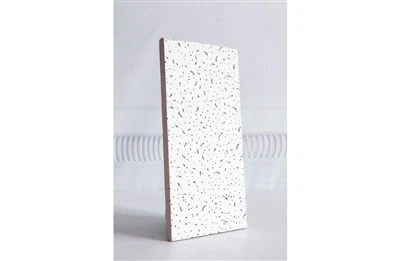
As a supplier of dune mineral fiber boards, I've witnessed firsthand the growing demand for high - quality sound - proofing solutions in various settings, from residential homes to commercial buildings. Dune mineral fiber boards already offer a decent level of sound insulation, but there are additional measures that can be taken to significantly enhance their sound - proofing effect. In this blog, I'll share some practical and effective strategies that can help you get the most out of your dune mineral fiber board installation.
1. Proper Installation Techniques
The first step in improving the sound - proofing effect of dune mineral fiber boards is to ensure proper installation. A poorly installed board can leave gaps and seams, which allow sound waves to penetrate through.
- Sealing the Edges: Use a high - quality acoustic sealant to seal the edges of the dune mineral fiber boards. This will prevent sound from leaking through the small spaces between the boards. When applying the sealant, make sure to follow the manufacturer's instructions. Apply it evenly along the edges of the board, and use a putty knife to smooth it out for a clean finish.
- Using Acoustic Adhesives: Instead of traditional adhesives, opt for acoustic adhesives when attaching the dune mineral fiber boards to the wall or ceiling. Acoustic adhesives are designed to dampen sound vibrations and can significantly improve the overall sound - proofing performance. They work by creating a flexible bond between the board and the surface, which helps to absorb and dissipate sound energy.
2. Adding Additional Layers
Another effective way to enhance the sound - proofing capabilities of dune mineral fiber boards is to add additional layers of sound - absorbing materials.


- Mass - Loaded Vinyl (MLV): MLV is a dense, flexible material that is highly effective at blocking sound. It can be installed behind the dune mineral fiber boards to add mass and reduce sound transmission. MLV works by adding an extra barrier to the sound path, making it more difficult for sound waves to pass through. You can cut the MLV to size and attach it to the wall or ceiling using an acoustic adhesive before installing the dune mineral fiber boards.
- Acoustic Foam Panels: Acoustic foam panels are porous materials that absorb sound waves by converting their energy into heat. They can be placed on top of the dune mineral fiber boards or in between multiple layers of boards. Acoustic foam panels come in various shapes and sizes, such as wedges and pyramids, which are designed to maximize sound absorption at different frequencies. For example, wedges are great for absorbing high - frequency sounds, while pyramids can handle a broader range of frequencies.
3. Optimizing the Room Layout
The layout of the room can also have a significant impact on the sound - proofing effect.
- Furniture Placement: Arrange furniture in a way that helps to absorb and deflect sound. Soft furniture, such as sofas and armchairs, can act as natural sound absorbers. Place them along the walls where the dune mineral fiber boards are installed to further reduce sound reflections. Additionally, bookshelves filled with books can also help to break up sound waves and improve the acoustic environment of the room.
- Using Room Dividers: Room dividers made of sound - absorbing materials can create additional barriers to sound. They can be used to separate different areas of a large room, reducing the spread of sound between them. For example, a fabric - covered room divider with an acoustic core can be an effective way to partition a living room from a home office without sacrificing too much space.
4. Selecting the Right Type of Dune Mineral Fiber Board
Not all dune mineral fiber boards are created equal when it comes to sound - proofing. Different types of boards have different properties that can affect their sound - insulation performance.
- Tegular Sand Mineral Fiber Board: The Tegular Sand Mineral Fiber Board has a unique tegular pattern on its surface, which can help to diffuse sound waves. This type of board is particularly effective in large rooms where sound reflections can be a problem. The tegular pattern breaks up the sound waves, reducing the intensity of the reflected sound and creating a more balanced acoustic environment.
- Square Fine Fissure Mineral Fiber Board: The Square Fine Fissure Mineral Fiber Board features fine fissures on its surface, which increase the surface area available for sound absorption. These fissures act as small pockets that trap sound waves, converting their energy into heat and reducing sound transmission. This board is a great choice for rooms where high - frequency sound absorption is required, such as recording studios or home theaters.
- Square Sand Mineral Fiber Board: The Square Sand Mineral Fiber Board has a smooth surface with a sand - like texture, which provides a good balance between sound absorption and aesthetics. It is suitable for a wide range of applications, from residential to commercial settings. The sand - like texture helps to scatter sound waves, reducing their intensity and improving the overall sound - proofing performance.
5. Maintaining the Boards
Proper maintenance of the dune mineral fiber boards is essential to ensure their long - term sound - proofing effectiveness.
- Regular Cleaning: Dust and dirt can accumulate on the surface of the boards over time, which can reduce their sound - absorbing properties. Use a soft brush or a vacuum cleaner with a soft brush attachment to gently clean the boards on a regular basis. Avoid using harsh chemicals or abrasive cleaners, as they can damage the surface of the boards and affect their performance.
- Inspecting for Damage: Periodically inspect the dune mineral fiber boards for any signs of damage, such as cracks or holes. If you notice any damage, repair or replace the affected boards immediately. Damaged boards can compromise the sound - proofing integrity of the entire installation, allowing sound to leak through.
In conclusion, while dune mineral fiber boards already offer a good level of sound insulation, there are several additional measures that can be taken to enhance their sound - proofing effect. By following the strategies outlined above, you can create a quieter and more comfortable environment in your home or workplace.
If you're interested in purchasing high - quality dune mineral fiber boards or have any questions about improving sound - proofing, feel free to contact us for a detailed discussion. We're committed to providing the best products and solutions to meet your specific needs.
References
- Beranek, Leo L. Noise and Vibration Control. McGraw - Hill, 1971.
- Fahy, Frank J. Sound and Structural Vibration: Radiation, Transmission and Response. Academic Press, 2001.
- Bies, David A., and Colin H. Hansen. Engineering Noise Control: Theory and Practice. Spon Press, 2009.