Can Pinhole Mineral Fiber Board Be Used in Wet Environments?
As a supplier of pinhole mineral fiber boards, I often encounter inquiries from customers regarding the suitability of these boards for wet environments. This is a crucial question, as the performance of building materials in wet conditions can significantly impact the durability and functionality of a structure. In this blog post, I will delve into the properties of pinhole mineral fiber boards and explore whether they can be used in wet environments.
Understanding Pinhole Mineral Fiber Boards
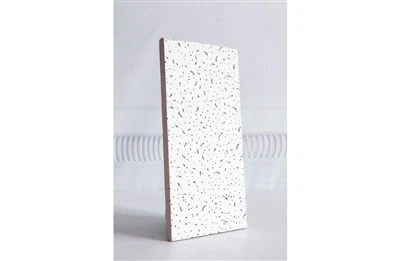
Pinhole mineral fiber boards are a type of acoustic ceiling board made from mineral fibers, such as rock wool or slag wool. These fibers are mixed with binders and other additives, then formed into boards with a characteristic pinhole or perforated surface. The pinholes serve multiple purposes, including improving acoustic performance by absorbing sound waves and enhancing the aesthetic appeal of the ceiling.
Pinhole mineral fiber boards are known for their excellent acoustic properties, fire resistance, and thermal insulation. They are commonly used in commercial buildings, such as offices, schools, hospitals, and theaters, as well as in residential applications. The boards come in various styles and designs, including Tegular Sand Hole Mineral Fiber Board, Tegular Fine Fissure Mineral Fiber Board, and Square Sand Mineral Fiber Board, to meet different architectural and design requirements.
Factors Affecting the Use of Pinhole Mineral Fiber Boards in Wet Environments
Several factors need to be considered when determining whether pinhole mineral fiber boards can be used in wet environments. These factors include the board's moisture resistance, the level of humidity in the environment, and the presence of water exposure.
Moisture Resistance
The moisture resistance of pinhole mineral fiber boards depends on the type of binders and additives used in their manufacturing. Some boards are treated with water - repellent agents to enhance their moisture resistance. However, even with these treatments, pinhole mineral fiber boards are generally not completely waterproof. The porous nature of the boards allows water vapor to penetrate, which can lead to issues such as swelling, warping, and mold growth if the boards are exposed to excessive moisture for an extended period.
Humidity Level
The level of humidity in the environment plays a significant role in the performance of pinhole mineral fiber boards. In areas with high humidity, such as bathrooms, kitchens, and basements, the boards may absorb moisture from the air. If the humidity is consistently high, the boards may become saturated, leading to structural damage and a reduction in their acoustic and aesthetic properties.
Water Exposure
Direct water exposure, such as from leaks, floods, or condensation, can have a severe impact on pinhole mineral fiber boards. Even a small amount of water can cause the boards to swell and lose their shape. Prolonged water exposure can lead to the growth of mold and mildew, which not only affects the appearance of the boards but also poses a health risk to the occupants of the building.
Applications in Wet Environments
While pinhole mineral fiber boards are not ideal for areas with direct water exposure or extremely high humidity, there are some wet - related applications where they can be used with proper precautions.
Indirectly Exposed Areas
In areas where the boards are indirectly exposed to moisture, such as in hallways near bathrooms or kitchens, pinhole mineral fiber boards can be used. However, it is essential to ensure that the area has proper ventilation to reduce humidity levels. Installing exhaust fans can help remove excess moisture from the air, preventing it from being absorbed by the boards.
Controlled Humidity Environments
In some commercial buildings, such as data centers or laboratories, the humidity levels are carefully controlled. In these environments, pinhole mineral fiber boards can be used as long as the humidity remains within the recommended range. Regular monitoring of the humidity levels and proper maintenance of the building's HVAC system are crucial to ensure the longevity of the boards.


Precautions and Maintenance
If you decide to use pinhole mineral fiber boards in a wet - prone area, the following precautions and maintenance measures should be taken:
Proper Installation
Ensure that the boards are installed correctly, with proper spacing and ventilation. Leave gaps between the boards to allow for air circulation, which helps prevent moisture buildup. Use moisture - resistant adhesives and fasteners during installation to minimize the risk of water penetration.
Regular Inspections
Conduct regular inspections of the boards to check for signs of moisture damage, such as swelling, discoloration, or mold growth. If any issues are detected, take immediate action to address them. This may involve replacing damaged boards or improving the ventilation in the area.
Moisture Barriers
Consider installing a moisture barrier behind the pinhole mineral fiber boards. A moisture barrier can help prevent water vapor from reaching the boards, reducing the risk of moisture - related damage.
Conclusion
In conclusion, pinhole mineral fiber boards can be used in some wet environments with proper precautions and maintenance. While they are not suitable for areas with direct water exposure or extremely high humidity, they can be a viable option in indirectly exposed areas or environments with controlled humidity. As a supplier, I am committed to providing high - quality pinhole mineral fiber boards and offering professional advice on their use in different applications.
If you are considering using pinhole mineral fiber boards in your project, I encourage you to contact me for further information and to discuss your specific requirements. We can work together to determine the best solution for your needs and ensure the successful implementation of your project.
References
- Building Materials Handbook: A Guide to the Properties and Applications of Construction Materials.
- Acoustic Ceiling Systems: Design and Installation Best Practices.