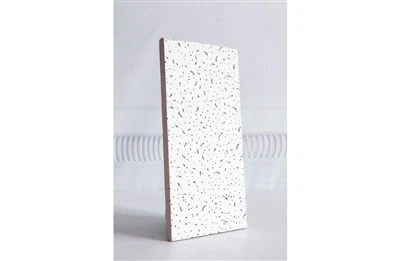
As a supplier of sand mineral fiber boards, I am often asked about the suitability of these boards for various applications, and one frequently raised question is whether they can be used in kitchens. In this blog, I will delve into the properties of sand mineral fiber boards and explore their potential use in kitchen environments.
Understanding Sand Mineral Fiber Boards
Sand mineral fiber boards are manufactured from a combination of sand, minerals, and fibers. These boards are known for their excellent insulation properties, fire resistance, and sound - dampening capabilities. They are lightweight and relatively easy to install, making them a popular choice in construction and interior design.
To learn more about the general concept of these boards, you can visit this Mineral Fiber Board link. It provides comprehensive information on the composition and manufacturing process of mineral fiber boards.
Properties Relevant to Kitchen Use
1. Moisture Resistance
In a kitchen, moisture is a constant concern. Steam from cooking, water spills, and even regular cleaning can expose surfaces to high levels of humidity. While sand mineral fiber boards are not inherently waterproof, they can have a certain degree of moisture resistance. However, they are not impervious to water penetration. If directly exposed to large amounts of water over an extended period, they may start to absorb moisture, which can lead to swelling, warping, and eventually, deterioration.
Some manufacturers offer treated sand mineral fiber boards with enhanced moisture - resistant coatings. These treated boards can better withstand the moist conditions in a kitchen. But it's important to note that even with such treatments, they should not be in direct contact with standing water.
2. Fire Resistance
One significant advantage of using sand mineral fiber boards in the kitchen is their fire - resistant properties. The kitchen is an area where the risk of fire is relatively high due to the use of stoves, ovens, and other cooking appliances. Sand mineral fiber boards are made of non - combustible materials, which can help prevent the spread of fire in case of an accident. They can act as a barrier, delaying the fire and giving more time for evacuation and firefighting. This feature makes them a safer choice compared to some other types of materials that may catch fire easily.
3. Sound Insulation
Kitchens can be noisy places, with the sounds of appliances, cooking, and dishes clattering. Sand mineral fiber boards have good sound - dampening capabilities. They can absorb and reduce the transmission of sound, creating a more peaceful environment in and around the kitchen. This is particularly beneficial if the kitchen is adjacent to living or dining areas, as it can help minimize the disruption caused by kitchen noises.
4. Durability
The durability of sand mineral fiber boards depends on how well they are maintained and the specific conditions in the kitchen. In a well - maintained kitchen with proper ventilation to control moisture, these boards can last for a long time. However, if the kitchen has poor ventilation and high humidity levels, the boards may be more prone to damage. Regular inspections and timely repairs or replacements of any damaged parts can help extend the lifespan of the boards.
Potential Applications in the Kitchen
1. Wall and Ceiling Panels
Sand mineral fiber boards can be used as wall and ceiling panels in the kitchen. Their fire - resistant and sound - insulating properties make them a practical choice. For ceiling applications, you can refer to Mineral Fiber Ceiling Tiles for more inspiration. As wall panels, they can add a modern and clean look to the kitchen. However, it is crucial to ensure that the boards are installed correctly and that any joints or seams are properly sealed to prevent moisture from seeping in.
2. Backsplashes (with Caution)
Using sand mineral fiber boards as backsplashes is possible but requires careful consideration. Since backsplashes are directly exposed to water, grease, and food splatters, they need to be protected. A high - quality, waterproof coating can be applied to the boards to make them more suitable for this application. Additionally, regular cleaning and maintenance are essential to keep the backsplash looking good and functioning properly.
3. Cabinet Insulation
Sand mineral fiber boards can be used for cabinet insulation. They can help keep the interior of the cabinets at a more stable temperature, which is beneficial for storing food and kitchen supplies. Their sound - dampening properties can also reduce the noise from opening and closing cabinet doors. You can think of them as a type of Mineral Wool Board that provides both insulation and some level of noise reduction within the cabinet space.
Challenges and Considerations
1. Aesthetics
While sand mineral fiber boards can have a clean and modern look, they may not offer the same wide range of aesthetic options as some other materials like ceramic tiles or wood. However, they can be painted or covered with other decorative finishes to match the kitchen's design.
2. Installation Requirements
Proper installation is crucial for the performance of sand mineral fiber boards in the kitchen. They need to be installed by professionals who are familiar with handling these materials. Incorrect installation can lead to issues such as poor moisture resistance and reduced durability.
3. Maintenance
As mentioned earlier, maintenance is key to ensuring the longevity of sand mineral fiber boards in the kitchen. Regular cleaning to remove grease, dirt, and moisture, as well as inspections for any signs of damage, are necessary.
Conclusion and Call to Action
In conclusion, sand mineral fiber boards can be used in kitchens, but with certain limitations and considerations. Their fire resistance, sound insulation, and potential for moisture - resistant treatments make them a viable option for various kitchen applications. However, proper installation, maintenance, and protection from excessive moisture are essential.
If you are considering using sand mineral fiber boards in your kitchen project, I encourage you to reach out. Our team of experts can provide you with more detailed information, samples, and guidance on the best way to use these boards to meet your specific needs. We look forward to discussing your project and helping you make the right choice for your kitchen.


References
- "Building Materials Handbook" - A comprehensive guide on different construction materials and their properties.
- Industry reports on the performance of sand mineral fiber boards in various environments.