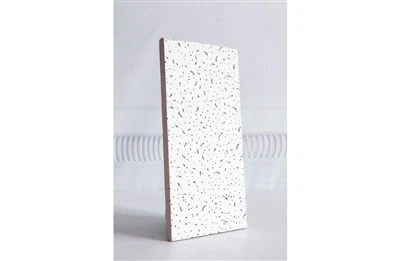
Hey there! As a supplier of sand mineral fiber ceiling boards, I often get asked if these boards can be recycled. It's a hot topic these days, with more and more people caring about the environment. So, let's dive right in and figure this out.
First off, let's talk about what sand mineral fiber ceiling boards are. These boards are made from a mix of sand, mineral fibers, and other additives. They're known for their great acoustic properties, which means they can help reduce noise in a room. You can check out our Dampproof Acoustic Mineral Fiber Ceiling Board for an example of how these boards can combine damp - proof and acoustic features.
Now, onto the big question: Can they be recycled? Well, the answer isn't a simple yes or no. It depends on a few factors.
Factors Affecting Recycling
Composition of the Board
The materials used to make the sand mineral fiber ceiling boards play a huge role. The sand and mineral fibers themselves are generally natural materials. Sand is abundant and can be re - used in various industries, like construction for making concrete. Mineral fibers, too, can potentially be re - processed. However, the additives that are mixed in to give the boards their specific properties, such as fire - resistance or water - resistance, can make recycling a bit tricky. Some of these additives might be chemicals that need special handling during the recycling process.
Recycling Infrastructure
Another important factor is the availability of recycling facilities. Not all areas have the technology and equipment to recycle sand mineral fiber ceiling boards. In regions with advanced recycling infrastructure, there might be facilities that can separate the different components of the board and re - use them. But in other places, these boards might end up in landfills simply because there's no proper way to recycle them.
Recycling Process (If Possible)
If the conditions are right and recycling is feasible, here's a rough idea of how the process might work.


Collection
First, the used sand mineral fiber ceiling boards need to be collected. This could be from construction sites where old ceilings are being renovated, or from demolition projects. It's important to have a proper collection system in place to ensure that the boards are gathered efficiently.
Sorting
Once collected, the boards are sorted. This involves separating them from other construction waste and also checking for any damage or contamination. Boards that are severely damaged or contaminated might not be suitable for recycling.
Shredding
The sorted boards are then shredded into smaller pieces. This makes it easier to separate the different components. The shredding process breaks down the board structure, allowing for better access to the sand, mineral fibers, and additives.
Separation
After shredding, the components are separated. This could involve using techniques like screening to separate the sand from the fibers, and chemical processes to remove the additives. The separated materials can then be sent to different industries for re - use. For example, the sand can go to a concrete manufacturer, and the mineral fibers might be used in the production of insulation materials.
Our Product Range and Recycling Potential
We offer a variety of sand mineral fiber ceiling boards, like the Square Sand Mineral Fiber Board and the Square Fine Fissure Mineral Fiber Board. We're constantly working on improving the recyclability of our products. We're researching ways to reduce the use of hard - to - recycle additives and are in talks with recycling facilities to develop better recycling solutions.
Benefits of Recycling Sand Mineral Fiber Ceiling Boards
Environmental Benefits
Recycling these boards helps reduce the amount of waste going to landfills. Landfills are a major source of environmental problems, such as soil and water pollution. By recycling, we can conserve natural resources like sand and reduce the energy required to produce new boards from scratch.
Economic Benefits
On the economic side, recycling can create jobs in the recycling industry. It also reduces the cost of raw materials for manufacturers, as they can use recycled materials instead of extracting new ones.
Challenges in Recycling
Despite the potential benefits, there are still some challenges. As I mentioned earlier, the additives in the boards can be a problem. Also, the cost of recycling can be high. The collection, sorting, and processing of the boards require a lot of resources. And in some cases, the recycled materials might not be of high enough quality to be used in high - end products.
Conclusion
So, can sand mineral fiber ceiling boards be recycled? In short, it's possible, but there are a lot of factors at play. As a supplier, we're committed to making our products more environmentally friendly. We're investing in research to make the boards easier to recycle and are working with the industry to improve the recycling infrastructure.
If you're interested in our sand mineral fiber ceiling boards, whether it's for a new project or you have questions about their recyclability, don't hesitate to reach out. We're here to help you make the best choice for your needs. Let's work together to create a more sustainable future!
References
- "Recycling of Construction and Demolition Waste" - A research paper on the general principles of recycling construction materials.
- Industry reports on the development of recycling technologies for building materials.