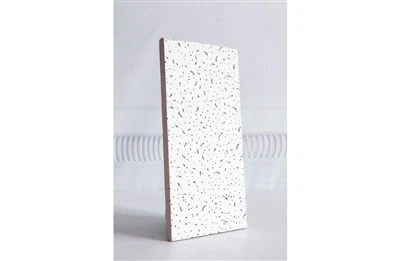
What is the air flow resistivity of sand acoustic mineral fiber board?
As a dedicated supplier of sand acoustic mineral fiber boards, I've often been asked about the air flow resistivity of these products. Air flow resistivity is a crucial parameter when it comes to understanding the acoustic performance of porous materials like our sand acoustic mineral fiber boards. In this blog post, I'll delve into what air flow resistivity is, why it matters for sand acoustic mineral fiber boards, and how it impacts their overall functionality.


Understanding Air Flow Resistivity
Air flow resistivity can be defined as the measure of a material's resistance to the passage of air through it. It is typically expressed in units of Pa·s/m². When air moves through a porous material, such as a sand acoustic mineral fiber board, it encounters resistance due to the structure and properties of the material. This resistance is influenced by factors like the size and shape of the pores, the density of the material, and the arrangement of the fibers within it.
The concept of air flow resistivity is closely related to the acoustic absorption capabilities of a material. When sound waves hit a porous material, they cause the air within the pores to vibrate. The air flow resistivity affects how easily this air can move in response to the sound waves. A material with high air flow resistivity will impede the movement of air more effectively, which can lead to better sound absorption. On the other hand, a material with low air flow resistivity may allow air to pass through more freely, resulting in less efficient sound absorption.
Importance of Air Flow Resistivity for Sand Acoustic Mineral Fiber Boards
For sand acoustic mineral fiber boards, air flow resistivity plays a vital role in determining their acoustic performance. These boards are commonly used in various applications, such as Mineral Fiber Board ceilings, walls, and partitions, where sound control is essential. By having an appropriate air flow resistivity, the boards can effectively absorb sound waves and reduce noise levels in a space.
One of the key benefits of a well - designed sand acoustic mineral fiber board with the right air flow resistivity is its ability to create a more comfortable and quiet environment. In commercial buildings like offices, schools, and hospitals, excessive noise can be a major distraction and can even have a negative impact on productivity and health. Our sand acoustic mineral fiber boards, with their optimized air flow resistivity, can help to mitigate these issues by absorbing unwanted sound and creating a more peaceful atmosphere.
In addition to acoustic performance, air flow resistivity also affects other properties of the sand acoustic mineral fiber boards. For example, it can influence the board's fire resistance and moisture resistance. A board with the right air flow resistivity may have better ventilation characteristics, which can help to prevent the buildup of moisture and reduce the risk of mold and mildew growth. It can also contribute to the overall durability and longevity of the board.
Factors Affecting the Air Flow Resistivity of Sand Acoustic Mineral Fiber Boards
Several factors can influence the air flow resistivity of sand acoustic mineral fiber boards. One of the most significant factors is the density of the board. Generally, higher - density boards tend to have higher air flow resistivity. This is because the fibers in a higher - density board are more closely packed together, which creates more resistance to the flow of air. However, it's important to note that there is an optimal density range for achieving the best acoustic performance. If the density is too high, the board may become too rigid and less effective at absorbing sound.
The composition of the board also plays a role in determining its air flow resistivity. The type and quality of the mineral fibers used, as well as the presence of sand and other additives, can all affect the pore structure and the overall resistance to air flow. For example, the size and shape of the sand particles can influence how the air moves through the board. Smaller sand particles may create a more tortuous path for the air, increasing the air flow resistivity.
The manufacturing process of the sand acoustic mineral fiber board is another crucial factor. The way the fibers are bonded together and the conditions under which the board is formed can impact its air flow resistivity. For instance, the pressure and temperature used during the manufacturing process can affect the density and pore structure of the board. A well - controlled manufacturing process can ensure that the board has a consistent and optimal air flow resistivity.
Measuring the Air Flow Resistivity of Sand Acoustic Mineral Fiber Boards
To accurately determine the air flow resistivity of sand acoustic mineral fiber boards, specialized testing equipment is required. One common method is the use of a flow - resistance meter. This device measures the pressure drop across a sample of the board when a known volume of air is passed through it. By applying the appropriate equations, the air flow resistivity can be calculated from the measured pressure drop and air flow rate.
It's important to note that the air flow resistivity can vary depending on the orientation and location of the sample within the board. Therefore, multiple samples should be tested from different parts of the board to obtain a more accurate representation of its overall air flow resistivity. Additionally, the testing should be carried out under controlled environmental conditions to ensure consistent and reliable results.
Applications of Sand Acoustic Mineral Fiber Boards with Optimal Air Flow Resistivity
Sand acoustic mineral fiber boards with the right air flow resistivity have a wide range of applications. In the field of architecture and interior design, they are commonly used for Mineral Fiber Ceiling installations. A ceiling made of sand acoustic mineral fiber boards can effectively absorb sound from above, reducing reverberation and improving the acoustic quality of a room.
They are also popular in the construction of recording studios, theaters, and concert halls. In these spaces, precise sound control is crucial for achieving high - quality audio performance. Our sand acoustic mineral fiber boards, with their optimized air flow resistivity, can help to create an acoustically balanced environment by absorbing unwanted reflections and echoes.
Another application is in industrial settings, where noise reduction is a major concern. Factories, warehouses, and machinery rooms can generate high levels of noise, which can be harmful to workers' health and cause disturbances in the surrounding area. Sand acoustic mineral fiber boards can be installed on the walls and ceilings of these spaces to absorb the noise and create a safer and more comfortable working environment.
Our Offerings: Square Colors Mineral Fiber Board
At our company, we take pride in offering a wide range of sand acoustic mineral fiber boards, including the Square Colors Mineral Fiber Board. These boards not only provide excellent acoustic performance but also come in a variety of attractive colors and designs. The square shape of the boards allows for easy installation and a modern, aesthetically pleasing look.
Our Square Colors Mineral Fiber Boards are carefully engineered to have an optimal air flow resistivity, ensuring that they can effectively absorb sound while maintaining other important properties such as fire resistance and moisture resistance. Whether you're looking to upgrade the acoustic quality of a commercial space or add a touch of style to a residential interior, our Square Colors Mineral Fiber Boards are an excellent choice.
Contact Us for Procurement and Discussion
If you're interested in learning more about our sand acoustic mineral fiber boards and their air flow resistivity, or if you're considering purchasing our products for your next project, we'd love to hear from you. Our team of experts is ready to assist you with any questions you may have and to provide you with detailed information about our products.
We understand that every project has unique requirements, and we're committed to working with you to find the best solution for your specific needs. Whether you need a large quantity of boards for a commercial construction project or a smaller amount for a residential renovation, we can offer competitive pricing and reliable delivery.
Don't hesitate to reach out to us to start a conversation about how our sand acoustic mineral fiber boards can enhance the acoustic performance and aesthetic appeal of your space. We look forward to working with you and helping you achieve your goals.
References
- Beranek, Leo L. "Acoustics." American Institute of Physics, 1954.
- Craik, R. J. M. "The Physics of Acoustics." Ellis Horwood Limited, 1988.
- Fahy, Frank J. "Sound and Structural Vibration: Radiation, Transmission and Response." Academic Press, 1998.