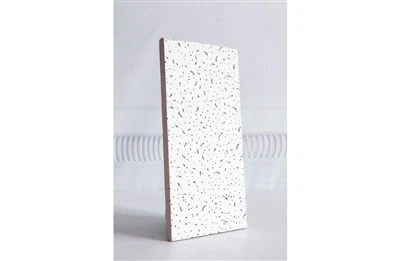
As a supplier of sand mineral fiber tiles, I often encounter questions from customers about the suitability of our products for wet areas. This blog post aims to provide a comprehensive answer to this crucial question, exploring the properties of sand mineral fiber tiles, their performance in wet environments, and the best practices for using them in such areas.
Understanding Sand Mineral Fiber Tiles
Sand mineral fiber tiles are a popular choice for ceiling and wall applications due to their numerous advantages. These tiles are typically made from a combination of mineral fibers, sand, and binders, which are compressed and formed into panels. The resulting tiles offer excellent acoustic properties, fire resistance, and aesthetic appeal.
Key Features of Sand Mineral Fiber Tiles
- Acoustic Performance: Sand mineral fiber tiles are known for their excellent sound absorption capabilities. They can effectively reduce noise levels in a room, making them ideal for spaces such as offices, schools, and auditoriums.
- Fire Resistance: These tiles are inherently fire-resistant, which adds an extra layer of safety to any building. They can help prevent the spread of fire and smoke, providing valuable time for evacuation.
- Aesthetic Appeal: Sand mineral fiber tiles come in a variety of designs and finishes, allowing for customization to suit different interior styles. Whether you prefer a smooth, textured, or patterned look, there is a sand mineral fiber tile option available for you.
Types of Sand Mineral Fiber Tiles
There are several types of sand mineral fiber tiles available on the market, each with its own unique features and benefits. Some of the most common types include:
- Mineral Fiber Wool Ceiling Tiles: These tiles are made from a combination of mineral fibers and wool, providing excellent insulation and sound absorption properties.
- Tegular Sand Hole Mineral Fiber Board: This type of tile features a tegular edge and sand holes, which not only enhance its aesthetic appeal but also improve its acoustic performance.
- Tegular Fine Fissure Mineral Fiber Board: With a tegular edge and fine fissures, this tile offers a unique and stylish look while still providing good acoustic and fire-resistant properties.
Using Sand Mineral Fiber Tiles in Wet Areas
The question of whether sand mineral fiber tiles can be used in wet areas is a valid one, as moisture can have a significant impact on the performance and durability of these tiles. While sand mineral fiber tiles are not inherently waterproof, they can be used in certain wet areas with proper precautions.
Factors to Consider
Before using sand mineral fiber tiles in a wet area, it is important to consider the following factors:
- Level of Moisture: The amount of moisture present in the area is a crucial factor to consider. Areas with high humidity or frequent water exposure, such as bathrooms, kitchens, and swimming pools, require special attention.
- Ventilation: Proper ventilation is essential in wet areas to prevent the buildup of moisture. Adequate airflow can help keep the tiles dry and reduce the risk of mold and mildew growth.
- Sealing and Protection: Applying a waterproof sealant or protective coating to the sand mineral fiber tiles can help enhance their resistance to moisture. This can provide an additional layer of protection and extend the lifespan of the tiles.
Suitable Wet Areas
While sand mineral fiber tiles may not be suitable for all wet areas, they can be used in some specific applications with proper installation and maintenance. Some examples of suitable wet areas include:
- Low-Moisture Bathrooms: In bathrooms with low humidity levels and proper ventilation, sand mineral fiber tiles can be used on the ceiling. However, it is important to ensure that the tiles are properly sealed and protected to prevent water damage.
- Kitchens: Sand mineral fiber tiles can be used in kitchens as long as they are installed away from direct sources of water, such as sinks and stoves. Again, proper ventilation and sealing are essential to prevent moisture damage.
- Indoor Pools with Proper Ventilation: In indoor pool areas with adequate ventilation systems, sand mineral fiber tiles can be used on the ceiling. However, it is crucial to monitor the humidity levels regularly and take appropriate measures to prevent moisture buildup.
Unsuitable Wet Areas
There are certain wet areas where sand mineral fiber tiles are not recommended due to the high risk of water damage. These areas include:
- Shower Areas: The constant exposure to water in shower areas makes sand mineral fiber tiles unsuitable for this application. The tiles are likely to absorb water, leading to warping, mold growth, and structural damage.
- Outdoor Areas: Sand mineral fiber tiles are not designed to withstand the harsh conditions of outdoor environments. Exposure to rain, snow, and extreme temperatures can cause the tiles to deteriorate quickly.
Best Practices for Using Sand Mineral Fiber Tiles in Wet Areas
If you decide to use sand mineral fiber tiles in a wet area, it is important to follow these best practices to ensure their proper performance and longevity:


- Proper Installation: Hire a professional installer who has experience working with sand mineral fiber tiles in wet areas. They will ensure that the tiles are installed correctly and that all necessary precautions are taken to prevent water damage.
- Sealing and Protection: Apply a high-quality waterproof sealant or protective coating to the tiles before installation. This will help create a barrier against moisture and prevent water penetration.
- Regular Maintenance: Regularly inspect the tiles for any signs of water damage, such as discoloration, warping, or mold growth. If any issues are detected, take immediate action to address them.
- Ventilation: Ensure that the wet area has proper ventilation to reduce humidity levels and prevent moisture buildup. Use exhaust fans or open windows to allow fresh air to circulate.
Conclusion
In conclusion, sand mineral fiber tiles can be used in certain wet areas with proper installation, sealing, and maintenance. While they are not inherently waterproof, taking the necessary precautions can help ensure their performance and durability in these environments. However, it is important to carefully consider the level of moisture, ventilation, and protection required for each specific application.
If you are considering using sand mineral fiber tiles in a wet area, I encourage you to contact us for more information and guidance. Our team of experts can help you determine the best solution for your needs and provide you with high-quality sand mineral fiber tiles that are suitable for your project. We look forward to the opportunity to work with you and help you achieve your desired results.
References
- Building Materials Handbook, Third Edition, by Francis S. Merritt
- Acoustical Ceiling Design and Application Guide, by the Ceilings & Interior Systems Construction Association (CISCA)