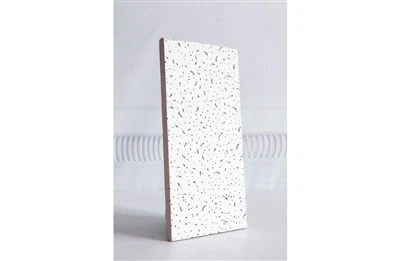
Hey there! As a supplier of sand mineral fiber tiles, I often get asked, "How long do sand mineral fiber tiles last?" Well, let's dive right into it and explore the lifespan of these nifty ceiling tiles.
First off, what are sand mineral fiber tiles anyway? They're made from a blend of sand and mineral fibers, which gives them some pretty cool properties. These tiles are known for being lightweight, easy to install, and having good acoustic and fire - resistant qualities. They're a popular choice for both residential and commercial buildings.
Factors Affecting the Lifespan
Quality of Materials
The quality of the sand and mineral fibers used in the manufacturing process plays a huge role. High - quality raw materials mean a more durable tile. When we source the best sand and mineral fibers, we're ensuring that our tiles can withstand the test of time. Cheaper materials might lead to tiles that start to show wear and tear much sooner. For instance, low - grade mineral fibers might break down faster, causing the tile to lose its structural integrity.


Installation
Proper installation is key. If the tiles aren't installed correctly, they can start to sag, warp, or even fall off the ceiling. A professional installer knows how to handle the tiles, ensuring they're level and securely attached. On the other hand, a DIY job gone wrong can significantly reduce the lifespan of the tiles. For example, if the tiles are not properly aligned, they might be under uneven stress, which can lead to cracks over time.
Environmental Conditions
The environment where the tiles are installed has a big impact. In a dry, stable environment, sand mineral fiber tiles can last a long time. However, if they're exposed to high humidity, moisture, or extreme temperatures, their lifespan can be shortened. In a bathroom or a basement with poor ventilation, the tiles might absorb moisture, which can cause them to swell, mold, or mildew. Similarly, in an area with large temperature fluctuations, the tiles can expand and contract, leading to cracks.
Average Lifespan
Under normal conditions, sand mineral fiber tiles can last anywhere from 15 to 25 years. That's a pretty decent lifespan, especially considering the relatively low cost compared to some other ceiling materials. But as I mentioned earlier, this can vary depending on the factors we just talked about.
If the tiles are installed in a well - maintained, climate - controlled environment and are of high quality, they could potentially last even longer. Some commercial buildings with proper upkeep have reported their sand mineral fiber tiles lasting over 30 years!
Maintenance and Care
To get the most out of your sand mineral fiber tiles, regular maintenance is important. Here are some tips:
Cleaning
Dust the tiles regularly using a soft - bristle brush or a vacuum cleaner with a soft brush attachment. This helps prevent the buildup of dirt and debris, which can make the tiles look dull and can also potentially damage the surface over time.
Inspection
Periodically check the tiles for any signs of damage, such as cracks, sagging, or discoloration. If you notice any issues, it's best to address them right away. Small cracks can be repaired, but if left untreated, they can grow and compromise the entire tile.
Moisture Control
Keep the humidity levels in the room in check. Use dehumidifiers in damp areas and ensure proper ventilation. This helps prevent moisture - related problems like mold and mildew.
Comparing with Other Ceiling Materials
Let's take a quick look at how sand mineral fiber tiles stack up against other common ceiling materials in terms of lifespan.
Gypsum Board
Gypsum board ceilings can last around 20 to 30 years. They're more prone to water damage compared to sand mineral fiber tiles, though. If there's a leak in the roof or a plumbing issue, gypsum board can get soaked and need to be replaced.
Metal Ceiling Tiles
Metal ceiling tiles can last 30 to 50 years. They're very durable and resistant to moisture and fire. However, they're usually more expensive than sand mineral fiber tiles and might not have the same acoustic properties.
Wood Ceiling
Wood ceilings can last a long time, sometimes over 50 years, but they require a lot of maintenance. They can be susceptible to termites, rot, and warping if not properly cared for.
Our Products
We offer a wide range of sand mineral fiber tiles, including Mineral Fiber Ceiling Boards & Tiles, Mineral Fiber Wool Ceiling Tiles, and Dampproof Acoustic Mineral Fiber Ceiling Board. Our tiles are made from high - quality materials and are designed to last. We also provide professional installation services to ensure that your tiles are installed correctly and will have a long lifespan.
Conclusion
So, to answer the question "How long do sand mineral fiber tiles last?", it really depends on several factors. But on average, you can expect them to last between 15 to 25 years. With proper installation, maintenance, and care, they can even outlast this estimate.
If you're in the market for new ceiling tiles, I encourage you to consider our sand mineral fiber tiles. We're confident in the quality and durability of our products. If you have any questions or want to discuss your specific needs, feel free to reach out. We're here to help you make the best choice for your project.
References
- Building Materials Handbook: A Guide to Durability and Maintenance
- Ceiling Installation and Maintenance Manuals