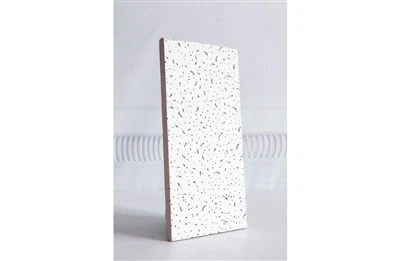
Hey there! As a supplier of white PVC gypsum board, I often get asked this question: "Does white PVC gypsum board require a primer before painting?" Well, let's dig into this topic and find out.
First off, let's understand what white PVC gypsum board is. It's a super popular building material that combines the advantages of PVC and gypsum. The PVC layer gives it a smooth, durable surface, while the gypsum core provides strength and fire - resistance. We offer different thicknesses like the White 8mm PVC Gypsum Board, White 7.5mm PVC Gypsum Board, and White 7mm PVC Gypsum Board.
Now, back to the primer question. The answer isn't a simple yes or no. It depends on a few factors.
Factors to Consider
Surface Condition
If the white PVC gypsum board has a very smooth and clean surface straight out of the box, you might think you can skip the primer. But here's the thing, even a seemingly perfect surface can have tiny imperfections that a primer can help smooth out. Dust, grease, or a bit of residue from the manufacturing process can be present. A primer acts as a barrier, sealing these minor issues and creating a more even base for the paint.
On the other hand, if the board has been stored in less - than - ideal conditions, say in a damp area or has been scratched during handling, a primer is almost a must. Moisture can cause the board to swell slightly or develop mold, and scratches can expose the gypsum core. A good primer can prevent these problems from affecting the paint job and also help protect the board itself.
Type of Paint
The type of paint you plan to use plays a huge role. If you're using a high - quality, self - priming paint, you might be able to get away without a separate primer. Self - priming paints are formulated to bond well to various surfaces and provide some of the same benefits as a primer. However, not all self - priming paints are created equal. Some may work better on certain surfaces than others.
For example, if you're using a latex - based paint, it generally adheres well to white PVC gypsum board. But a primer can still enhance the adhesion and durability of the paint. Oil - based paints, on the other hand, may require a primer to ensure proper bonding, especially on the PVC surface.
Desired Finish
Your desired finish is another consideration. If you want a flawless, professional - looking finish, a primer is your friend. It helps the paint spread more evenly, reducing the chances of streaks or uneven color. This is especially important if you're using a light - colored or high - gloss paint. A primer can also improve the coverage of the paint, meaning you may need fewer coats of paint to achieve the desired color.
Benefits of Using a Primer
Better Adhesion
One of the main benefits of using a primer is better adhesion. The primer creates a sticky surface for the paint to bond to. This is crucial because if the paint doesn't adhere well, it can peel, chip, or flake off over time. On a white PVC gypsum board, the PVC layer can be a bit slippery, and a primer helps the paint grip onto it.
Improved Durability
A primer adds an extra layer of protection to the board. It can seal the surface, preventing moisture from seeping in and causing damage. This is particularly important in areas with high humidity, like bathrooms or kitchens. The primer also helps the paint last longer, reducing the need for frequent repainting.
Cost - Efficiency
While it may seem like an extra expense to buy a primer, it can actually save you money in the long run. By ensuring better adhesion and durability, you'll need fewer coats of paint. And since you won't have to repaint as often, you'll save on both paint and labor costs.
When You Might Skip the Primer
There are some situations where you might consider skipping the primer. If you're in a hurry and the surface is in pristine condition, and you're using a high - quality self - priming paint, you could give it a try. However, I'd still recommend doing a small test area first to see how the paint adheres and how the finish looks.
How to Apply a Primer
If you decide to use a primer, here's a quick guide on how to apply it. First, make sure the surface is clean and dry. You can use a mild detergent and water to clean the board, then let it dry completely. Next, stir the primer well to ensure an even consistency.
You can apply the primer using a brush, roller, or spray gun. If you're using a brush or roller, start in the corners and edges and then work your way across the surface. Apply the primer in thin, even coats, and let it dry according to the manufacturer's instructions. Usually, it takes a few hours for the primer to dry completely.
Once the primer is dry, you can start painting. Make sure to follow the same application process for the paint as you did for the primer.
Conclusion
So, does white PVC gypsum board require a primer before painting? In most cases, it's a good idea to use one. The benefits of better adhesion, improved durability, and a more professional finish outweigh the extra time and cost. However, depending on the surface condition, type of paint, and desired finish, you might be able to skip it in some situations.
If you're interested in our white PVC gypsum board products, whether it's the White 8mm PVC Gypsum Board, White 7.5mm PVC Gypsum Board, or White 7mm PVC Gypsum Board, feel free to reach out for a quote or to discuss your project requirements. We're here to help you make the best choice for your building needs.


References
- Building Materials Handbook, 2023 Edition
- Paint and Coating Guide for DIYers, 2022