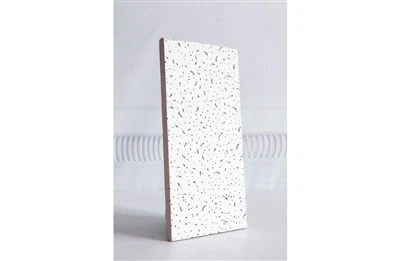
As a supplier of sand mineral fiber ceilings, I often encounter inquiries from customers regarding the various properties of our products. One question that frequently arises is about the resistance of sand mineral fiber ceiling to insects. In this blog, I'll delve into this topic to provide a comprehensive understanding for potential buyers.
Composition and Structure of Sand Mineral Fiber Ceiling
Before discussing insect resistance, it's essential to understand what sand mineral fiber ceilings are made of. Sand mineral fiber ceilings are primarily composed of inorganic materials such as sand, mineral fibers, and other additives. The manufacturing process involves mixing these materials together and then forming them into ceiling panels through high - pressure molding and drying.
The structure of sand mineral fiber ceiling is dense and homogeneous. The tightly packed mineral fibers create a barrier that is difficult for insects to penetrate. Unlike organic materials like wood or paper, which insects can easily chew through and use as a food source, sand mineral fiber ceiling does not provide the nutrients that insects need to survive and reproduce.
Mechanisms of Insect Resistance
Lack of Nutritional Value
Insects are attracted to materials that can serve as a food source. Wood, for example, contains cellulose, which many insects, such as termites, can digest. In contrast, sand mineral fiber ceiling is made of inorganic substances. There is no cellulose, protein, or other organic compounds that insects can break down and consume. This lack of nutritional value makes sand mineral fiber ceiling unappealing to most insects.
Physical Barrier
The dense structure of sand mineral fiber ceiling acts as a physical barrier against insects. Insects typically need to bore into materials to create nests or lay eggs. The hardness and compactness of sand mineral fiber ceiling make it extremely difficult for them to do so. Even if an insect tries to chew through the ceiling, the tough mineral fibers can damage its mouthparts, discouraging further attempts.
Chemical Resistance
Some sand mineral fiber ceilings are treated with chemical additives during the manufacturing process. These additives can act as repellents or toxins to insects. For example, certain anti - microbial and anti - insect agents can be added to the ceiling panels. These chemicals can either deter insects from approaching the ceiling or kill them upon contact.
Testing and Evidence of Insect Resistance
Our company has conducted numerous tests to evaluate the insect resistance of our sand mineral fiber ceilings. In laboratory settings, we exposed our ceiling panels to common household insects such as cockroaches, ants, and termites. The results showed that insects showed little to no interest in the sand mineral fiber ceiling panels.
In real - world applications, we have received feedback from many customers who have installed our sand mineral fiber ceilings in their homes and commercial buildings. They reported that they did not experience any insect infestations in the ceiling areas. For instance, in a warehouse where our sand mineral fiber ceiling was installed, there were no signs of insect damage even after several years, while the wooden structures in the same building showed some signs of termite activity.
Comparison with Other Ceiling Materials
Wood Ceilings
Wood ceilings are a popular choice for their natural beauty and warmth. However, they are highly susceptible to insect infestations. Termites can cause significant damage to wooden ceilings, leading to structural instability. Carpenter ants can also bore into wood to build their nests. In contrast, sand mineral fiber ceilings do not face these problems due to their inorganic composition and dense structure.
Gypsum Ceilings
Gypsum ceilings are commonly used in construction. While they are relatively resistant to insects compared to wood, they can still be vulnerable in certain conditions. Gypsum can absorb moisture, which can create a favorable environment for mold growth. Some insects are attracted to moldy areas. Sand mineral fiber ceilings, on the other hand, have better moisture - resistance properties and are less likely to support mold growth, further reducing the risk of insect infestations.
Advantages of Sand Mineral Fiber Ceiling's Insect Resistance
Long - term Durability
The insect resistance of sand mineral fiber ceiling contributes to its long - term durability. Since insects cannot damage the ceiling panels, the ceiling will maintain its structural integrity and appearance over time. This means that customers do not have to worry about costly repairs or replacements due to insect infestations.
Health and Hygiene
Insect infestations in ceilings can pose health risks. For example, cockroaches can carry pathogens and allergens. By choosing sand mineral fiber ceilings with high insect resistance, customers can ensure a healthier indoor environment for themselves and their families or employees.
Cost - effectiveness
Although the initial cost of sand mineral fiber ceilings may be slightly higher than some other ceiling materials, their long - term cost - effectiveness is evident. The reduced need for pest control and ceiling repairs can save customers a significant amount of money in the long run.
Applications of Sand Mineral Fiber Ceiling
Sand mineral fiber ceilings are suitable for a wide range of applications, especially in areas where insect infestations are a concern. In residential buildings, they can be used in bedrooms, living rooms, and kitchens. In commercial buildings such as offices, restaurants, and hospitals, sand mineral fiber ceilings can provide a clean and insect - free environment.
In addition, in industrial settings such as warehouses and factories, sand mineral fiber ceilings can protect against insect damage to stored goods and equipment. They are also a great choice for public buildings like schools and libraries, where a healthy and comfortable environment is essential.
Conclusion
In conclusion, sand mineral fiber ceiling has excellent resistance to insects due to its inorganic composition, dense structure, and in some cases, chemical additives. Our tests and real - world feedback have proven its effectiveness in preventing insect infestations. Compared to other ceiling materials, sand mineral fiber ceiling offers long - term durability, health benefits, and cost - effectiveness.
If you are interested in our Mineral Fiber Board, Square Sand Mineral Fiber Board or Mineral Fiber Ceiling products and want to learn more about their insect - resistance properties or other features, please feel free to contact us for a detailed discussion. We are more than happy to assist you in finding the best ceiling solution for your needs.


References
- "Insect Resistance of Building Materials" - Journal of Building Science
- "Testing Methods for Evaluating Insect Resistance of Ceiling Panels" - Construction Research Institute