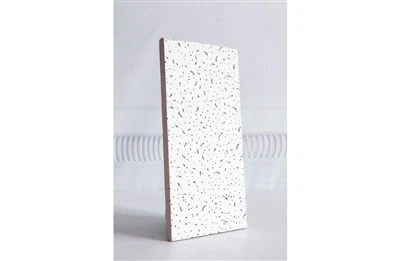
Hey there! As a supplier of sand mineral fiber ceiling products, I've seen firsthand how important proper ventilation is when using these ceilings. In this blog post, I'll share some tips on how to ensure your sand mineral fiber ceiling has the right ventilation.
Why Ventilation Matters for Sand Mineral Fiber Ceilings
First off, let's talk about why ventilation is such a big deal. Sand mineral fiber ceilings, like Mineral Fiber Board and Mineral Fiber Ceiling Boards & Tiles, are great for sound absorption and fire resistance. But they can be sensitive to moisture. If there's not enough ventilation, moisture can build up, leading to issues like mold growth, warping, and a shorter lifespan for your ceiling.
Assessing Your Space
Before you start thinking about ventilation solutions, you need to take a good look at the space where the sand mineral fiber ceiling will be installed. Consider the size of the room, the number of occupants, and what the room is used for. For example, a small office with just a few people will have different ventilation needs compared to a large conference room or a gym.

- Room Size: Larger rooms generally require more ventilation to ensure proper air circulation. You might need to install multiple ventilation points or a more powerful ventilation system.
- Occupancy: More people in a room means more moisture and carbon dioxide being released into the air. This can increase the humidity levels and make it harder for the ceiling to stay dry.
- Room Use: Different activities generate different amounts of moisture. A kitchen or a bathroom will produce a lot of steam, while a storage room might not have as many moisture issues.
Types of Ventilation Systems
There are a few different types of ventilation systems you can use to keep your sand mineral fiber ceiling dry and in good condition.
Natural Ventilation
Natural ventilation is the simplest and most cost - effective option. It involves using windows, doors, and vents to let fresh air in and stale air out.
- Windows and Doors: Opening windows and doors can create a cross - breeze that helps to remove moisture and improve air quality. However, this method might not be suitable in all weather conditions. For example, in humid or rainy weather, opening windows can actually increase the moisture levels in the room.
- Vents: Installing vents in the ceiling or walls can also help with natural ventilation. These vents allow air to flow in and out of the room, reducing the build - up of moisture.
Mechanical Ventilation
Mechanical ventilation systems use fans and ducts to move air in and out of the room. There are two main types:
- Exhaust Fans: These fans are installed in the ceiling or walls and are used to remove stale air and moisture from the room. They are commonly used in bathrooms, kitchens, and other areas where moisture is likely to build up.
- Supply Fans: Supply fans bring fresh air into the room. They can be used in combination with exhaust fans to create a balanced ventilation system.
Installation Considerations
Proper installation of the sand mineral fiber ceiling and the ventilation system is crucial for ensuring good ventilation.
- Ceiling Installation: When installing the Tegular Sand Mineral Fiber Board, make sure there is enough space between the ceiling and the roof or upper floor. This space allows air to circulate freely and helps to prevent moisture from getting trapped.
- Ventilation System Installation: The ventilation system should be installed according to the manufacturer's instructions. The ducts should be properly sealed to prevent air leaks, and the fans should be placed in the right locations to ensure maximum air circulation.
Maintenance of Ventilation Systems
Once the ventilation system is installed, it's important to keep it well - maintained.
- Regular Cleaning: Clean the ventilation ducts and fans regularly to remove dust, dirt, and debris. This can improve the efficiency of the system and prevent blockages that could reduce air flow.
- Filter Replacement: If your ventilation system has filters, make sure to replace them according to the manufacturer's recommendations. Clogged filters can restrict air flow and reduce the effectiveness of the ventilation system.
- Inspection: Periodically inspect the ventilation system for any signs of damage or wear. Look for loose connections, leaks, or malfunctioning fans.
Monitoring Air Quality
Monitoring the air quality in the room can help you determine if the ventilation system is working effectively. You can use a hygrometer to measure the humidity levels in the room. The ideal humidity level for a room with a sand mineral fiber ceiling is between 30% and 60%. If the humidity levels are too high, you might need to adjust the ventilation system or take other measures to reduce the moisture in the air.
Troubleshooting Ventilation Issues
Even with the best - laid plans, you might still encounter ventilation issues from time to time. Here are some common problems and how to fix them.
- Poor Air Circulation: If you notice that the air in the room feels stale or stuffy, it could be a sign of poor air circulation. Check for blocked vents or ducts, and make sure the fans are working properly. You might also need to adjust the position of the vents or add more ventilation points.
- High Humidity Levels: If the humidity levels in the room are consistently above 60%, it could be a sign that the ventilation system is not powerful enough. Consider upgrading to a more powerful ventilation system or using a dehumidifier to reduce the moisture in the air.
- Mold Growth: If you see mold growing on the sand mineral fiber ceiling, it's a clear sign that there is a ventilation problem. First, clean the mold off the ceiling using a mold - killing solution. Then, improve the ventilation to prevent the mold from coming back.
Conclusion
Proper ventilation is essential for maintaining the quality and longevity of your sand mineral fiber ceiling. By assessing your space, choosing the right ventilation system, installing it correctly, and maintaining it regularly, you can ensure that your ceiling stays dry, clean, and in good condition.
If you're interested in purchasing high - quality sand mineral fiber ceiling products or need more advice on ventilation, feel free to reach out. We're here to help you make the best choices for your project.
References
- ASHRAE Handbook of Fundamentals. American Society of Heating, Refrigerating and Air - Conditioning Engineers.
- Building Ventilation Design Guide. National Institute of Building Sciences.