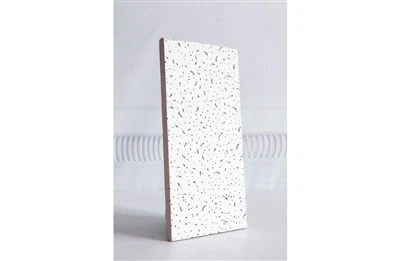
Square Pinhole Mineral Fiber Board is a popular choice in the construction and interior design industries due to its excellent acoustic properties, fire resistance, and aesthetic appeal. As a supplier of this product, I often receive inquiries about the different thicknesses available. In this blog post, I will discuss the various thickness options for Square Pinhole Mineral Fiber Board, their applications, and the factors to consider when choosing the right thickness for your project.
Common Thicknesses of Square Pinhole Mineral Fiber Board
The thickness of Square Pinhole Mineral Fiber Board can vary depending on the specific requirements of the project. Generally, the most common thicknesses range from 9mm to 18mm. Here is a detailed introduction to each thickness:
9mm Square Pinhole Mineral Fiber Board
The 9mm thick Square Pinhole Mineral Fiber Board is a lightweight option that is suitable for applications where weight is a concern. It is often used in suspended ceilings, especially in areas with low ceiling heights or where the structure cannot support heavy loads. This thickness provides good acoustic performance and can effectively reduce noise levels in the room. It is also relatively easy to install, making it a popular choice for DIY projects. For more information about similar products, you can visit Square Sand Mineral Fiber Board.
12mm Square Pinhole Mineral Fiber Board
The 12mm thick Square Pinhole Mineral Fiber Board is a versatile option that offers a good balance between weight and performance. It is commonly used in both residential and commercial applications, such as offices, schools, and hospitals. This thickness provides better sound insulation than the 9mm board and is more durable, making it suitable for areas with higher traffic or where more robust materials are required. It can also be used in wall partitions to create separate spaces while maintaining acoustic privacy. You can explore related products like Mineral Fiber Ceiling Tile.
15mm Square Pinhole Mineral Fiber Board
The 15mm thick Square Pinhole Mineral Fiber Board is a thicker option that provides enhanced acoustic and fire-resistant properties. It is often used in large commercial spaces, such as auditoriums, conference rooms, and theaters, where high-quality sound control is essential. This thickness can effectively absorb sound waves and reduce reverberation, creating a more comfortable and productive environment. It is also more resistant to impact and damage, making it suitable for areas with heavy use. For projects related to large - scale ceiling installations, Mineral Fiber Ceiling might be of interest.
18mm Square Pinhole Mineral Fiber Board
The 18mm thick Square Pinhole Mineral Fiber Board is the thickest option available and offers the highest level of performance. It is typically used in specialized applications, such as recording studios, broadcasting rooms, and industrial facilities, where extreme sound isolation and fire protection are required. This thickness can block out external noise and prevent sound leakage, ensuring a quiet and controlled environment. However, it is also heavier and more expensive than the other thicknesses, so it is usually used in projects where cost is not the primary concern.
Factors to Consider When Choosing the Thickness
When selecting the appropriate thickness of Square Pinhole Mineral Fiber Board for your project, several factors need to be taken into account:
Acoustic Requirements
The primary function of Square Pinhole Mineral Fiber Board is to improve the acoustic quality of a space. If you need to reduce noise levels significantly, such as in a noisy office or a music studio, a thicker board will generally provide better sound insulation. Consider the type of noise you are dealing with (e.g., traffic noise, human voices, machinery noise) and the level of noise reduction required.
Structural Support
The structure of the building or the installation location must be able to support the weight of the board. Thicker boards are heavier, so if the ceiling or wall structure is weak or has limited load - bearing capacity, a thinner board may be a more suitable choice. Consult a structural engineer if you are unsure about the load - bearing capacity of the installation site.
Budget
The cost of Square Pinhole Mineral Fiber Board increases with thickness. You need to balance your budget with the performance requirements of your project. If you have a limited budget but still need some level of acoustic improvement, a 9mm or 12mm board may be a cost - effective option.
Aesthetic Considerations
In some cases, the thickness of the board can also affect the aesthetic appearance of the space. Thicker boards may create a more substantial and solid look, while thinner boards can give a lighter and more delicate impression. Consider the overall design concept of the project and how the board thickness will fit into the aesthetic scheme.
Applications of Different Thicknesses
Each thickness of Square Pinhole Mineral Fiber Board has its own unique applications:
Residential Applications
In residential buildings, 9mm or 12mm Square Pinhole Mineral Fiber Boards are commonly used in living rooms, bedrooms, and kitchens. They can reduce noise from neighboring rooms or outside sources, creating a more peaceful living environment. They can also be used to enhance the appearance of the ceiling or walls, adding a touch of elegance to the interior design.


Commercial Applications
For commercial spaces, the choice of thickness depends on the specific function of the area. 12mm boards are suitable for general office areas, while 15mm or 18mm boards are preferred for areas with high noise levels, such as call centers, restaurants, or gyms. In addition, these thicker boards can provide better fire protection, which is crucial for commercial buildings to meet safety regulations.
Industrial Applications
In industrial facilities, 18mm Square Pinhole Mineral Fiber Boards are often used to create sound - proof enclosures for machinery or to isolate noisy production areas. They can also be used in warehouses and factories to reduce the spread of noise and improve the working conditions for employees.
Conclusion
In conclusion, the different thicknesses of Square Pinhole Mineral Fiber Board offer a range of options to meet the diverse needs of various projects. Whether you are looking for a lightweight and cost - effective solution or a high - performance board for specialized applications, there is a suitable thickness available. By considering factors such as acoustic requirements, structural support, budget, and aesthetic considerations, you can make an informed decision about which thickness is best for your project.
If you are interested in purchasing Square Pinhole Mineral Fiber Board or have any questions about the different thicknesses, please feel free to contact us for a detailed consultation. Our team of experts is ready to assist you in finding the perfect solution for your construction or interior design needs.
References
- Building Materials Handbook: A comprehensive guide to various building materials, including mineral fiber boards.
- Acoustic Design Principles: A resource on acoustic design and the role of different materials in sound control.
- Fire Safety Regulations for Buildings: Information on the fire - resistant properties of building materials and the requirements for different applications.