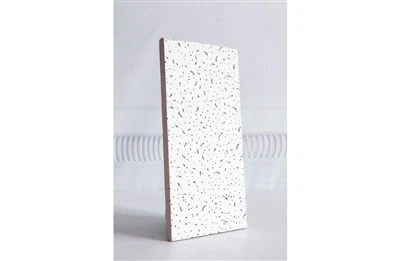
Pinhole mineral fiber ceiling tiles are a popular choice for many commercial and residential spaces due to their acoustic properties, fire resistance, and aesthetic appeal. However, like any other building material, they can get damaged over time. As a supplier of high - quality pinhole mineral fiber ceiling tiles, I understand the importance of maintaining these ceilings in top - notch condition. In this blog, I'll share some effective ways to repair damaged pinhole mineral fiber ceiling tiles.
Identifying the Damage
The first step in the repair process is to accurately identify the type and extent of the damage. Pinhole mineral fiber ceiling tiles can be damaged in several ways. Minor damages may include small holes, scratches, or surface discoloration. These are often caused by accidental impacts, such as a tool hitting the ceiling during a renovation, or long - term exposure to environmental factors like moisture and dirt.
More severe damage can involve large holes, cracks, or even sections of the tile that have fallen out. This kind of damage might be due to structural issues in the building, water leaks from above, or extreme temperature changes.


Gathering the Necessary Tools and Materials
Once you've identified the damage, it's time to gather the tools and materials you'll need for the repair. Here's a list of common items:
- Patching compound: A good - quality patching compound is essential for filling in holes and cracks. Make sure to choose one that is compatible with mineral fiber materials.
- Sandpaper: You'll need sandpaper of different grits (usually 120 - 220 grit) to smooth the patched areas.
- Putty knife: A putty knife is used to apply the patching compound evenly.
- Paint: Select a paint that matches the color of your existing ceiling tiles. You can usually find paint samples from the manufacturer or a local paint store.
- Replacement tiles: In case the damage is too severe to repair, you'll need replacement tiles. As a supplier, I offer a wide range of Mineral Fiber Board, including Square Sand Mineral Fiber Board and Square Colors Mineral Fiber Board, which can be easily sourced to match your existing ceiling.
- Safety equipment: Don't forget safety goggles, a dust mask, and gloves to protect yourself during the repair process.
Repairing Minor Damage
Filling Small Holes and Scratches
- Clean the area: Use a soft brush or a vacuum cleaner to remove any dust, dirt, or debris from the damaged area. This will ensure that the patching compound adheres properly.
- Apply the patching compound: Using a putty knife, apply a thin layer of patching compound to the hole or scratch. Make sure to fill it completely and smooth the surface as much as possible. If the hole is deep, you may need to apply multiple layers, allowing each layer to dry completely before applying the next one.
- Sand the patched area: Once the patching compound is dry, use sandpaper to smooth the patched area. Start with a coarser grit sandpaper and gradually move to a finer grit for a smooth finish.
- Paint the area: After sanding, apply a coat of paint that matches the color of the ceiling tiles. You may need to apply multiple coats for a perfect match.
Removing Surface Discoloration
- Cleaning: For light discoloration, you can try cleaning the tile with a mild detergent and water. Use a soft sponge or cloth to gently scrub the surface. Rinse the area thoroughly and allow it to dry completely.
- Painting: If cleaning doesn't remove the discoloration, you may need to repaint the tile. Make sure to clean the surface first and follow the same painting process as described above.
Repairing Severe Damage
Large Holes and Cracks
- Assess the damage: Determine if the damage is limited to the tile or if it has affected the ceiling structure. If the structure is damaged, it's best to consult a professional contractor.
- Cut out the damaged area: Use a utility knife or a saw to carefully cut out the damaged section of the tile. Make sure to cut along a straight line for a clean edge.
- Install a replacement tile: Measure the size of the cut - out area and cut a replacement tile to fit. Insert the replacement tile into the opening and secure it in place using adhesive or clips, depending on the type of ceiling installation.
- Seal the edges: Apply a small amount of patching compound along the edges of the replacement tile to seal any gaps and create a smooth transition.
- Sand and paint: Sand the edges of the replacement tile and the surrounding area to blend it in with the rest of the ceiling. Then, paint the entire area to match the color of the existing tiles.
Sections of the Tile That Have Fallen Out
- Remove any remaining debris: Use a vacuum cleaner or a brush to remove any loose pieces of the fallen - out tile from the ceiling and the floor.
- Check the ceiling structure: Inspect the ceiling structure to ensure that it is still stable. If there are any signs of damage to the structure, it should be repaired before installing a new tile.
- Install a new tile: Follow the same steps as for replacing a large hole, making sure to properly secure the new tile in place.
Preventive Maintenance
To avoid future damage to your pinhole mineral fiber ceiling tiles, consider the following preventive maintenance tips:
- Control humidity: High humidity can cause the tiles to warp, crack, or develop mold. Use a dehumidifier in areas with high moisture levels, such as basements and bathrooms.
- Avoid impacts: Be careful when working near the ceiling to avoid accidentally hitting the tiles with tools or other objects.
- Regular cleaning: Regularly clean the ceiling tiles to remove dust and dirt, which can accumulate over time and cause discoloration.
Conclusion
Repairing damaged pinhole mineral fiber ceiling tiles can be a relatively straightforward process if you follow the right steps. By accurately identifying the damage, gathering the necessary tools and materials, and using the appropriate repair techniques, you can restore your ceiling to its original condition.
As a supplier of pinhole mineral fiber ceiling tiles, I'm committed to providing high - quality products and helping you with any repair or maintenance needs. If you're in need of replacement tiles or have any questions about the repair process, I encourage you to reach out for a procurement discussion. I can offer you a wide range of options and expert advice to ensure your ceiling looks its best.
References
- Building Maintenance Handbook: A Comprehensive Guide to Facility Upkeep
- Mineral Fiber Ceiling Tile Installation and Maintenance Manuals from Leading Manufacturers