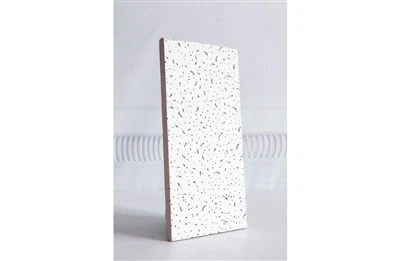
Hey there! As a supplier of acoustic mineral fiber boards, I often get asked, "Is acoustic mineral fiber board environmentally friendly?" It's a great question, and one that I'm more than happy to dive into.
Let's start with what acoustic mineral fiber boards are made of. These boards are typically crafted from mineral wool, which is produced by melting natural minerals like basalt or slag at high temperatures and then spinning them into fibers. The Mineral Wool Board is a prime example of such a product.
Now, when it comes to environmental friendliness, there are several aspects to consider. First up, the raw materials. Using natural minerals like basalt is a plus from an environmental perspective. Basalt is an abundant resource found in nature, and extracting it for this purpose doesn't lead to the depletion of rare or endangered materials. It's far better than using some finite resources that might cause harm to the ecosystem during extraction.
Another important factor is energy consumption during the manufacturing process. Yes, it takes a significant amount of energy to melt the minerals and create the fibers. However, modern production methods have come a long way in improving energy efficiency. A lot of manufacturers, including us, are constantly investing in new technologies to reduce the energy footprint. For instance, we've upgraded our machinery to use less energy while still maintaining high - quality production of our Square Sand Hole Mineral Fiber Board.
Let's talk about the boards' lifespan. Acoustic mineral fiber boards are known for their durability. They can last for a long time, which means you don't have to replace them frequently. This reduces waste in the long run. When a building is renovated or demolished, these boards can sometimes be recycled. Some facilities can break down the boards and reuse the materials to make new products. This closed - loop system is a huge step towards environmental sustainability.
In terms of air quality, acoustic mineral fiber boards are a real winner. They have excellent acoustic properties, which means they can absorb sound and reduce noise pollution in buildings. But they also contribute to better indoor air quality. Since they are non - combustible and don't emit harmful chemicals or volatile organic compounds (VOCs), they create a healthier living and working environment. Our Dampproof Acoustic Mineral Fiber Ceiling Board is designed to not only provide great acoustic performance but also maintain good indoor air.
On the other hand, there are some potential environmental concerns. For example, during the production of mineral fiber boards, there can be some emissions of dust and other by - products. But most responsible manufacturers have strict environmental management systems in place to control and minimize these emissions. We have installed advanced ventilation and filtration systems in our factory to ensure that the air released into the environment is clean.
Also, the transportation of these boards can have an environmental impact. Shipping heavy boards over long distances adds to the carbon footprint. To address this, we are constantly looking for ways to optimize our supply chain. We try to source raw materials locally as much as possible and use more fuel - efficient transportation methods.
When it comes to disposal, if not done correctly, acoustic mineral fiber boards can be a problem. However, as mentioned earlier, recycling is a viable option. We are also exploring partnerships with more recycling facilities to ensure that when our boards reach the end of their life cycle, they are disposed of in an eco - friendly way.
So, overall, are acoustic mineral fiber boards environmentally friendly? The answer is a yes, with some caveats. They have many positive environmental aspects, such as using abundant raw materials, having a long lifespan, and being good for indoor air quality. But like any manufacturing process, there are areas that can be improved to further reduce their environmental impact.
If you're in the market for high - quality acoustic mineral fiber boards, and you're concerned about the environment, you've come to the right place. We take our environmental responsibilities seriously and are always striving to make our products even greener. Whether you need a Mineral Wool Board for an industrial project, or a Square Sand Hole Mineral Fiber Board for a commercial building, or a Dampproof Acoustic Mineral Fiber Ceiling Board for a residential space, we've got you covered.
If you're interested in learning more about our products or discussing a potential purchase, feel free to reach out and start a conversation with us. We're looking forward to working with you to create sustainable and acoustically - pleasing spaces.

References
- Industry reports on acoustic mineral fiber board production and environmental impact.
- Research papers on the use and recycling of mineral wool materials.