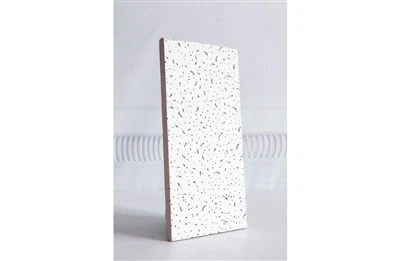
Hey there! As a supplier of sand mineral fiber board, I often get asked about the chemical resistance of our product. So, I thought I'd take a moment to break it down for you.
First off, let's talk about what sand mineral fiber board is. It's a type of building material made from a combination of sand, minerals, and fibers. This unique blend gives it some pretty cool properties, like good insulation, sound absorption, and of course, chemical resistance.
Chemical resistance is super important in a lot of different applications. Whether you're using the board in a commercial kitchen, a laboratory, or an industrial setting, you want to make sure it can stand up to the chemicals it might come into contact with.
So, how does sand mineral fiber board hold up when it comes to chemicals? Well, it depends on the type of chemical. Our sand mineral fiber board has a decent level of resistance to a wide range of common chemicals. For example, it can handle mild acids and alkalis pretty well.
Let's start with acids. Mild acids like acetic acid (found in vinegar) or citric acid (found in citrus fruits) usually don't cause any major issues for our sand mineral fiber board. The board's structure is designed in such a way that it can withstand the corrosive effects of these acids to a certain extent. However, if you're dealing with stronger acids like sulfuric acid or hydrochloric acid, that's a different story. These strong acids can potentially damage the board over time. The acid can react with the minerals in the board, causing them to break down and weaken the structure. So, in environments where there's a high risk of exposure to strong acids, you might need to take extra precautions, like using a protective coating on the board.
Now, let's move on to alkalis. Our sand mineral fiber board also shows good resistance to mild alkalis. Sodium hydroxide, which is commonly used in cleaning products, is an example of a mild alkali. The board can resist the effects of this type of alkali without significant damage. But just like with acids, stronger alkalis can be a problem. For instance, concentrated potassium hydroxide can be quite corrosive and may lead to degradation of the board.
Another factor to consider is the duration of exposure. Even if a chemical is relatively mild, long - term exposure can still have an impact on the board. For example, if the board is constantly in contact with a weak acid solution over a period of months or years, it might start to show signs of wear and tear.
In addition to acids and alkalis, our sand mineral fiber board also has some resistance to solvents. Common solvents like ethanol (alcohol) and acetone don't usually cause immediate damage. However, prolonged exposure to solvents can make the board more brittle and reduce its overall strength.
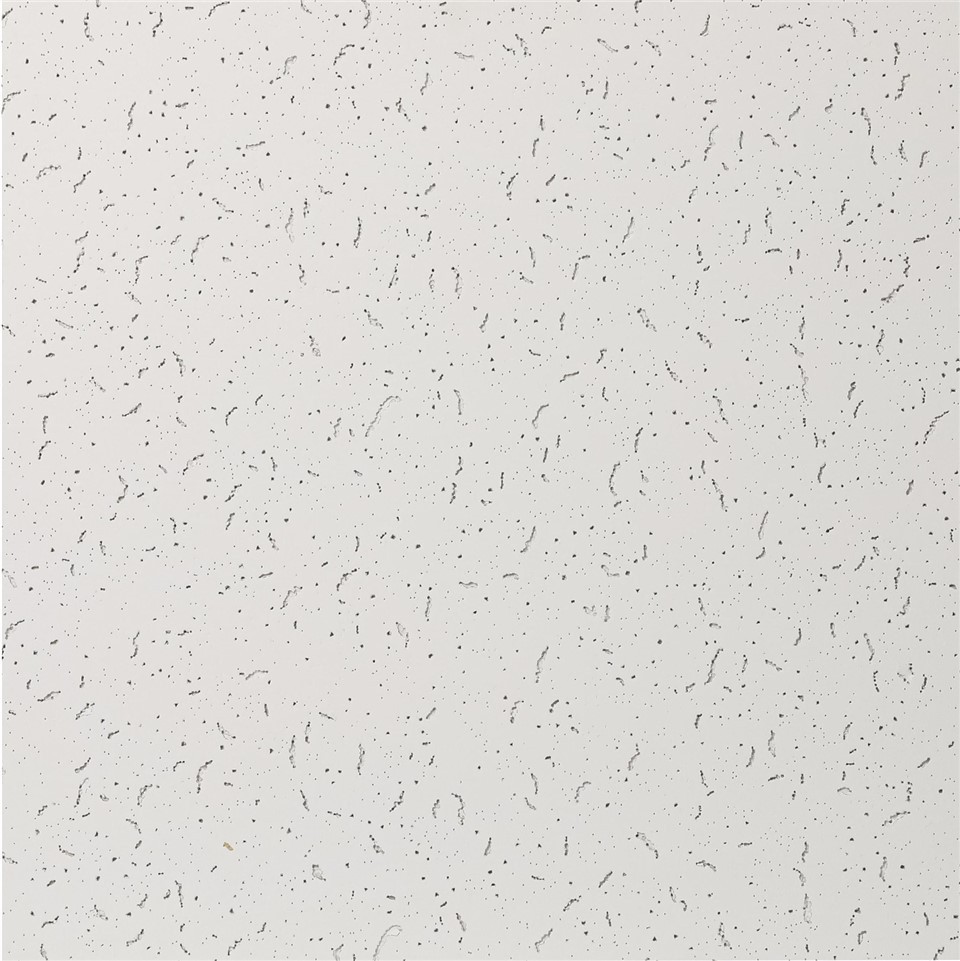

When it comes to real - world applications, our sand mineral fiber board is a great choice for many settings. In commercial kitchens, it can be used for ceiling panels. The board's chemical resistance helps it withstand the occasional splashes of acids from food preparation and alkalis from cleaning agents. In laboratories, it can be used for partitions or wall linings. As long as the chemicals used in the lab are within the board's resistance range, it can provide a reliable and cost - effective solution.
We offer different types of sand mineral fiber board products that might be suitable for your needs. For example, our Mineral Fiber Ceiling is a popular choice for general ceiling applications. It combines good chemical resistance with excellent sound - absorbing properties. If you're looking for something a bit more specialized, our Mineral Fiber Wool Ceiling Tiles are designed to provide enhanced insulation along with chemical resistance. And for a unique aesthetic look, our Tegular Pinhole Mineral Fiber Board not only has good chemical resistance but also adds a decorative touch to your space.
So, if you're in the market for a building material that offers decent chemical resistance, our sand mineral fiber board could be a great option. Whether you're a contractor, an architect, or a business owner looking to renovate your space, we're here to help. We can provide you with samples so you can test the board's chemical resistance in your specific environment.
If you're interested in learning more about our sand mineral fiber board products or have any questions about their chemical resistance, don't hesitate to reach out. We're always happy to have a chat and discuss how our products can meet your requirements. Just start a conversation with us, and we'll work together to find the best solution for your project.
References
- Building Materials Handbook: Chemical Resistance of Construction Materials.
- Research papers on the properties of sand mineral fiber board.