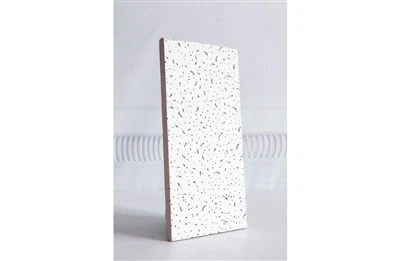
As a supplier of white PVC gypsum board, I often receive inquiries about the various properties of our products, and one question that comes up quite frequently is about the frost resistance of white PVC gypsum board. In this blog, I'll delve into what frost resistance means for white PVC gypsum board, how it's determined, and why it matters in different applications.
Understanding Frost Resistance
Frost resistance refers to a material's ability to withstand the damaging effects of freezing and thawing cycles. When water freezes, it expands by about 9%. If a material has pores or voids where water can penetrate, the expansion during freezing can cause internal stresses. Over time, these stresses can lead to cracking, spalling, and a general degradation of the material's structure.
For white PVC gypsum board, frost resistance is crucial, especially in regions with cold climates. Whether it's used in exterior wall cladding, partitions in unheated buildings, or in areas exposed to the elements, the board needs to be able to endure freezing conditions without significant damage.
Composition and Frost Resistance
The composition of white PVC gypsum board plays a vital role in its frost resistance.
Gypsum Core: Gypsum is a soft sulfate mineral composed of calcium sulfate dihydrate. It has a porous structure, which means it can absorb water. However, modern manufacturing techniques have been developed to reduce the porosity of the gypsum core in white PVC gypsum boards. By adding certain additives during the manufacturing process, the gypsum can be made more dense and less prone to water absorption. This, in turn, enhances its frost resistance.


PVC Layer: The PVC (Polyvinyl Chloride) layer on the surface of the board acts as a protective barrier. PVC is a synthetic plastic polymer that is highly resistant to water and chemicals. It prevents water from seeping into the gypsum core, reducing the risk of freeze - thaw damage. The smooth and non - porous nature of the PVC layer also makes it difficult for water to adhere to the board, further enhancing its frost resistance.
Testing Frost Resistance
There are several standard tests used to evaluate the frost resistance of building materials, including white PVC gypsum board.
Freeze - Thaw Cycling Test: In this test, samples of the white PVC gypsum board are submerged in water to saturate them. Then, they are subjected to a series of freeze - thaw cycles. Each cycle typically consists of freezing the sample at a specific temperature (usually around - 20°C) for a set period (e.g., 24 hours) and then thawing it at room temperature for another 24 hours. After a certain number of cycles (usually 25 - 50), the samples are inspected for signs of damage such as cracking, delamination, or loss of strength.
Water Absorption Test: This test measures the amount of water the board can absorb. A lower water absorption rate indicates better frost resistance. Samples are weighed before and after being submerged in water for a specified time. The increase in weight is calculated as a percentage of the original weight, and this percentage represents the water absorption rate.
Factors Affecting Frost Resistance
Thickness of the Board: Thicker boards generally have better frost resistance. A thicker gypsum core provides more mass and structural integrity, which can better withstand the internal stresses caused by freezing. For example, our White 8mm PVC Gypsum Board is likely to have better frost resistance compared to a thinner board like the White 7mm PVC Gypsum Board. The extra thickness provides an additional buffer against freeze - thaw damage.
Quality of Manufacturing: Boards produced using high - quality materials and advanced manufacturing processes are more likely to have better frost resistance. Strict quality control during production ensures that the gypsum core is properly formulated, and the PVC layer is evenly applied and firmly bonded to the core. Any defects in the manufacturing process, such as uneven thickness of the PVC layer or air bubbles in the gypsum core, can compromise the board's frost resistance.
Installation Conditions: Proper installation is also crucial for ensuring the frost resistance of white PVC gypsum board. Gaps between boards, improper sealing, or incorrect fastening can allow water to penetrate, increasing the risk of freeze - thaw damage. It's essential to follow the manufacturer's installation guidelines carefully to maximize the board's performance in cold conditions.
Applications and Frost Resistance
Exterior Wall Cladding: In cold climates, white PVC gypsum board can be used as exterior wall cladding. Its frost resistance allows it to maintain its structural integrity and appearance even in harsh winter conditions. The PVC layer provides an aesthetically pleasing finish, while the gypsum core offers insulation properties.
Partition Walls in Unheated Areas: In industrial buildings, warehouses, or garages that are not heated, white PVC gypsum board can be used for partition walls. Its ability to withstand freezing temperatures ensures that the partitions remain in good condition over time, without cracking or deteriorating.
Roofing Applications: In some cases, white PVC gypsum board can be used in roofing systems, especially in areas where a lightweight and cost - effective roofing material is required. The board's frost resistance helps to prevent damage from snow and ice accumulation.
Advantages of Frost - Resistant White PVC Gypsum Board
Longevity: A board with good frost resistance will last longer. It can withstand the rigors of multiple freezing and thawing cycles without significant damage, reducing the need for frequent repairs or replacements.
Energy Efficiency: The gypsum core in the board provides insulation, which helps to reduce heat loss in cold weather. This can lead to energy savings and lower heating costs.
Aesthetics: The PVC layer on the board maintains its appearance even in freezing conditions. It doesn't fade, crack, or peel, ensuring that the building retains its visual appeal over time.
Conclusion
The frost resistance of white PVC gypsum board is a critical property, especially in cold climates. Through careful composition, advanced manufacturing techniques, and proper installation, our white PVC gypsum boards are designed to provide excellent frost resistance. Whether you're looking for a board for exterior wall cladding, partition walls, or roofing applications, our products can meet your needs.
If you're interested in learning more about our white PVC gypsum boards or are considering a purchase, I encourage you to reach out to us. We'd be happy to discuss your specific requirements and provide you with more detailed information about our products and their performance in cold conditions. Our team of experts is ready to assist you in making the right choice for your project.
References
- ASTM C1185 - 19 Standard Specification for Gypsum Board Sheathing
- ISO 12570:2000 Building materials and products -- Hygrothermal performance -- Determination of water vapour transmission properties
- EN 520:2004 Gypsum plasterboards -- Definitions, requirements and test methods