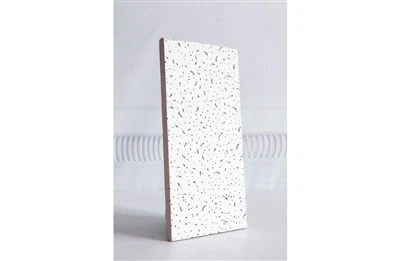
Hey there! As a supplier of colored mineral fiber boards, I often get asked about the heat insulation performance of these boards. Well, let's dive right into it and explore what makes colored mineral fiber boards a great choice when it comes to heat insulation.
First off, what exactly are colored mineral fiber boards? They're made from natural minerals that are processed into fibers and then formed into boards. These boards come in a variety of colors, so they're not only functional but also aesthetically pleasing. You can use them in different settings, like residential homes, commercial buildings, and even industrial spaces.
Now, let's talk about heat insulation. Heat insulation is all about reducing the transfer of heat between different environments. In simple terms, it keeps the heat out when it's hot outside and keeps the heat in when it's cold. This is super important because it can help you save on energy costs and make your living or working space more comfortable.
So, how do colored mineral fiber boards perform in terms of heat insulation? Well, they have some pretty awesome properties that make them great insulators. One of the key factors is their low thermal conductivity. Thermal conductivity is a measure of how easily heat can pass through a material. The lower the thermal conductivity, the better the material is at insulating. Colored mineral fiber boards have a relatively low thermal conductivity, which means they can effectively slow down the transfer of heat.
Another reason why colored mineral fiber boards are good at heat insulation is their porous structure. The fibers in the boards create tiny air pockets, and air is a poor conductor of heat. These air pockets act as barriers, preventing heat from passing through the board easily. It's like having a bunch of little insulation cells all packed together.
Let's take a look at some real - world examples of how colored mineral fiber boards can make a difference in heat insulation. In a residential home, you can use these boards in the attic. The attic is often a major source of heat loss in the winter and heat gain in the summer. By installing colored mineral fiber boards in the attic, you can significantly reduce the amount of heat that escapes during the cold months and keep the hot air out during the warm months. This can lead to lower energy bills and a more consistent indoor temperature.
In commercial buildings, colored mineral fiber boards can be used in the walls and ceilings. For example, in an office building, proper insulation can make the workspace more comfortable for employees. It can also reduce the load on the HVAC (heating, ventilation, and air - conditioning) system, which means less energy consumption and cost savings for the building owner.
Now, I want to mention some of our specific products. We have the Tegular Sand Hole Mineral Fiber Board. This board not only has good heat insulation properties but also a unique tegular sand - hole design that can add an interesting look to your space.


Our NOISE REDUCTION MINERAL FIBER CEILING BOARD is another great option. In addition to heat insulation, it's designed to reduce noise, which is an added bonus in many settings, like schools, libraries, or conference rooms.
And if you're looking for ceiling tiles, our NOISE REDUCTION MINERAL FIBER CEILING TILES are a great choice. They offer both heat insulation and noise reduction, making them perfect for a variety of applications.
When it comes to choosing the right colored mineral fiber board for your heat insulation needs, there are a few things to consider. First, you need to think about the R - value. The R - value is a measure of a material's resistance to heat flow. The higher the R - value, the better the insulation. You should choose a board with an appropriate R - value based on your specific climate and the location where you'll be installing the board.
You also need to consider the thickness of the board. Generally, thicker boards have better heat insulation properties. However, you need to balance this with the available space and your budget.
Another factor is the installation. Proper installation is crucial for the board to perform at its best. Make sure to follow the manufacturer's instructions carefully or hire a professional installer.
In conclusion, colored mineral fiber boards are a great option for heat insulation. They offer low thermal conductivity, a porous structure that traps air, and come in a variety of colors and styles. Whether you're looking to insulate your home or a commercial building, our products can meet your needs.
If you're interested in learning more about our colored mineral fiber boards or want to discuss your specific heat insulation requirements, I encourage you to reach out. We're here to help you find the best solution for your project. Let's start a conversation and see how we can work together to make your space more energy - efficient and comfortable.
References
- "Building Materials Handbook" by John Wiley & Sons
- "Thermal Insulation: Principles and Practice" by ASHRAE